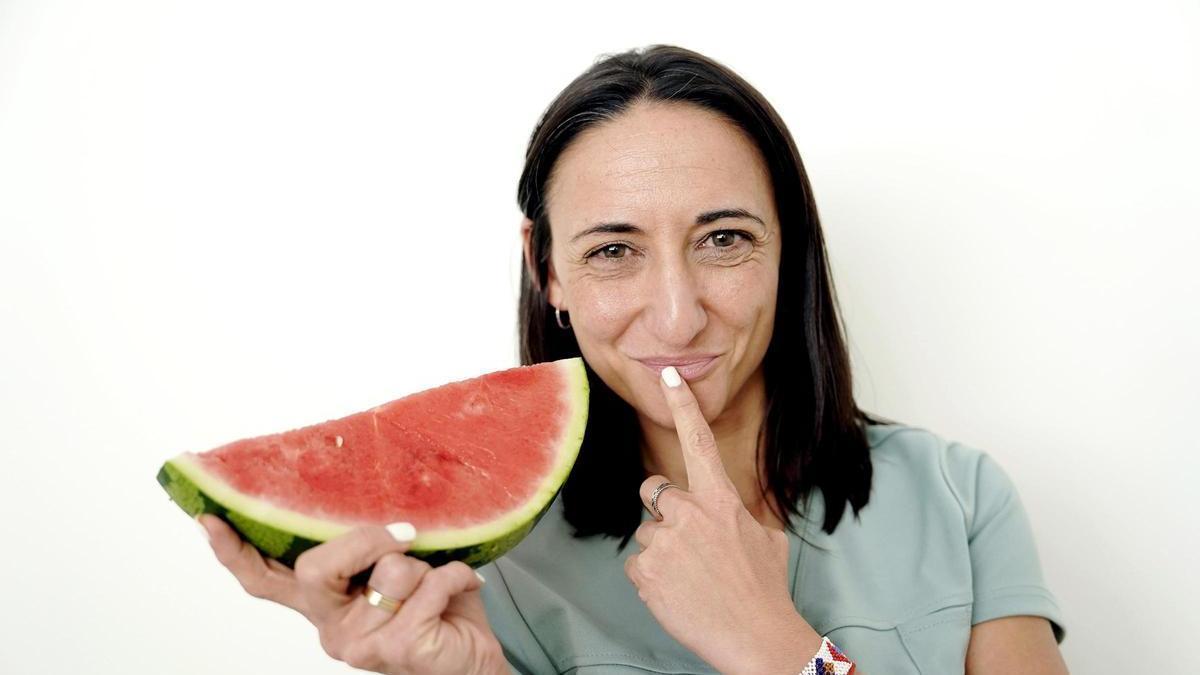


How What You Eat Can Influence Your Desire
By Laura Zurita, dietitian‑nutritionist and director of LAZ Clinics
Why Nutrition Matters for Sexual Health
Sexual desire isn’t just a mood; it’s a bodily need that depends on energy, hormones, and good blood flow. If the body is running low on fuel, it prioritizes survival over reproduction, which can lower libido. Zurita notes that up to 30 % of sexual desire can improve with the right diet, whereas cholesterol levels only shift about 10 % with food changes—yet we often focus far more on the latter.
The Gut‑Brain Connection
Your intestines host trillions of bacteria that do more than digest food. They produce neurotransmitters that talk to your brain through the gut‑brain axis. When the microbiota is out of balance, you may feel tired, moody, or less interested in sex. Eating fiber‑rich vegetables, fermented foods like yogurt or kefir, and limiting ultra‑processed snacks helps keep this communication line healthy.
Muscle Mass and Hormones
Testosterone, a key driver of desire for all genders, is closely tied to muscle quality. Maintaining or building muscle through adequate protein intake and regular movement supports healthy testosterone levels. This is especially important during phases like menopause or aging, when natural muscle loss can lead to a drop in both testosterone and libido.
Good protein sources include eggs, fish, legumes, nuts, and lean meats. Pairing protein with resistance exercise (body‑weight workouts, yoga, or weight‑lifting) gives the best results.
Blood Flow Matters
Desire also relies on strong circulation. Think of your veins as roads; if they’re clogged or inflamed, blood—and the oxygen and nutrients it carries—can’t reach the areas needed for arousal. Foods that support vascular health are:
- Omega‑3 rich fish (salmon, sardines)
- Olive oil and avocado (healthy fats)
- Berries, citrus, and leafy greens (antioxidants and vitamin C)
- Garlic and dark chocolate (natural vasodilators)
Improving cholesterol isn’t just about heart disease prevention; cleaner arteries also mean better sexual response.
Signs Your Diet Might Be Affecting Desire
- Chronic fatigue – feeling drained by the end of the day often signals insufficient carbohydrates or overall calories.
- Mood swings or irritability – can stem from blood‑sugar roller coasters caused by sugary, ultra‑processed foods.
- Low energy despite adequate sleep – may point to missing micronutrients like iron, magnesium, or B‑vitamins.
If you notice these patterns, looking at what’s on your plate is a smart first step.
Key Micronutrients for Libido
| Nutrient | Why It Helps | Teen‑Friendly Sources |
|---|---|---|
| Zinc | Essential for testosterone synthesis | Pumpkin seeds, chickpeas, beef, cashews |
| Vitamin D | Supports hormone production and mood | Fortified milk, eggs, safe sun exposure |
| B‑vitamins (B6, B12, folate) | Energy metabolism and neurotransmitter creation | Whole grains, bananas, leafy greens, eggs |
| Magnesium | Reduces stress, supports muscle function | Almonds, spinach, black beans, dark chocolate |
Zurita calls zinc the “king micronutrient” for testosterone, but you don’t need oysters every day—affordable options like mussels, beans, or seeds work just as well.
Building a Pleasure‑Friendly Plate
Zurita recommends the plate method for balanced meals:
- Half the plate – colorful vegetables (raw, steamed, or roasted).
- One quarter – lean protein (chicken, tofu, fish, beans).
- One quarter – quality carbohydrates (sweet potato, quinoa, whole‑wheat pasta, fruit).
Add a drizzle of olive oil or a handful of nuts for healthy fats, and drink water throughout the day. Variety and color ensure you get a wide range of vitamins, minerals, and antioxidants that keep your gut, muscles, and circulation in top shape.
Lifestyle Boosters Beyond Food
- Stay hydrated – dehydration mimics fatigue and lowers mood.
- Move regularly – even short walks or dance breaks improve circulation and hormone balance.
- Prioritize sleep – 8‑10 hours helps the body repair and regulate hormones.
- Manage stress – mindfulness, hobbies, or talking with friends keep cortisol from suppressing desire.
Supplements can fill gaps (like vitamin D in winter), but they work best alongside a solid diet and lifestyle routine.
Bottom Line
Your sexual health is a reflection of how well you nourish, move, and rest your body. By feeding your gut, maintaining muscle, keeping blood flowing, and getting the right micronutrients, you support not just energy and mood but also a healthy libido. Remember, changes take time—consistent, balanced choices beat any single “aphrodisiac” snack.
Source: https://www.example.com/original-article (for further reading)
Images Credit: www.diariodeibiza.es