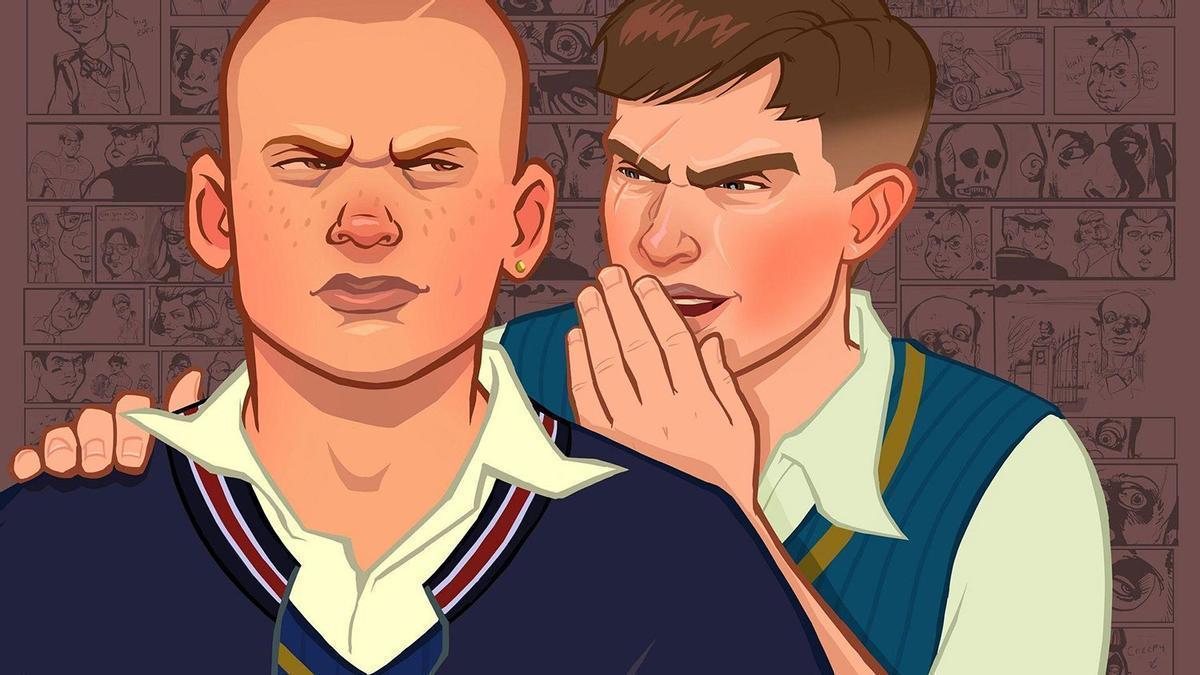


A School‑yard Take on the Rockstar Formula
When Rockstar released Bully (known as Canis Canem Edit in Spain) on October 27, 2006, the studio was already riding the wave of GTA: Vice City and GTA: San Andreas. Translating the open‑world chaos to a boarding school meant stripping away cars and guns and asking: What’s left when you remove the core GTA ingredients? The answer turned out to be a schedule of classes, hallway hijinks, and a surprising amount of heart.
From Doubt to Delight
Co‑founder Dan Houser admitted in an IGN interview that he wasn’t sure the game would work. “No estaba seguro de que fuera a ser bueno,” he said, recalling the early skepticism. Yet watching a simple mechanic—a sticky note that reads “Kick me” prompting a classmate to chase the target—showed how a tiny schoolyard joke could feel fresh and meaningful in Bully’s world.
Turning Limitations into Strengths
Without vehicles or firearms, the designers leaned into the school routine:
- Class timetables became missions that rewarded punctuality and participation.
- Social interactions—like bullying, befriending, or pranking—gave players agency over reputation.
- Mini‑games ranging from bike races to chemistry experiments filled the gaps between lessons.
These systems proved that a GTA‑style sandbox could thrive on everyday teenage drama rather than high‑speed chases.
Controversy Before Launch
The game’s title and school setting sparked protests even before it hit shelves. Retailers hesitated to stock it, forcing Rockstar to spend much of 2006 calming concerns and negotiating store placements. This distraction came while the studio was still dealing with the fallout from the Hot Coffee scandal in GTA: San Andreas and earlier criticism of titles like Manhunt. Houser clarified that he wasn’t directly involved in managing those responses, but the pressure undeniably shaped the game’s release strategy.
The Scholarship Edition and Beyond
Despite the rocky start, Bully earned positive reviews. An expanded Bully: Scholarship Edition arrived for Xbox 360, Wii, and PC, adding new missions, outfits, and two‑player mini‑games. Later releases kept the title alive:
- A digital PS2 Classics version for PS3 (2012), playable on PS4 and PS5.
- Bully: Anniversary Edition for iOS and Android.
- Backward‑compatible Xbox 360 builds running on Xbox One and Xbox Series X|S.
Why a Sequel Never Materialized
In September 2025, Houser explained that a follow‑up never moved forward because Rockstar’s limited creative and leadership bandwidth couldn’t accommodate every planned project. The studio’s focus shifted to other franchises, leaving Bully as a beloved, one‑off experiment.
What Makes Bully Enduring?
Two decades on, the game stands out for:
- Relatable setting:** The pressures of homework, cliques, and teenage rebellion feel universal.
- Creative freedom:** Players can choose to be a troublemaker, a protector, or something in between.
- Humor with heart:** The satire of school life never loses its charm, even as graphics age.
These qualities keep new players discovering Bully through retro collections, mobile ports, and word‑of‑mouth recommendations.
Conclusion
Bully proved that Rockstar’s open‑world magic doesn’t need guns or cars to shine. By swapping high‑speed pursuits for hallway pranks and classroom challenges, the game captured the awkward, funny, and sometimes painful experience of growing up. Even without a sequel, its influence lingers in every title that tries to blend satire, sandbox freedom, and a genuine sense of place.
For more details on the game’s rocky journey to release, see the original coverage: Source
Images Credit: www.diariodemallorca.es