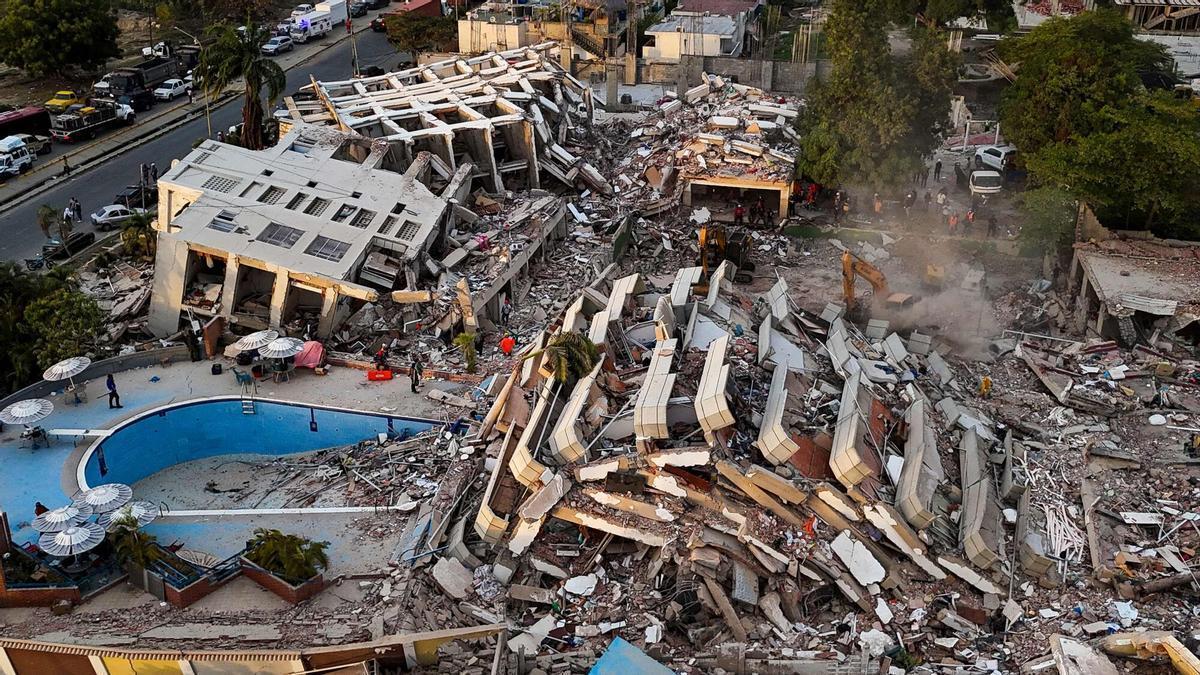


Repsol Sends Aid Flights to Venezuela After Strong Earthquakes
What Happened?
On June 24, Venezuela was hit by two powerful earthquakes, one measuring 7.2 and the other 7.5 on the Richter scale. The tremors caused buildings to collapse, roads to crack, and left many people injured or without shelter. In the hours after the quakes, the death toll rose to 2,295.
Repsol’s Response
The Spanish oil company Repsol, which has worked in Venezuela since 1993, quickly offered its logistics resources to help. Coordinating with the Spanish Agency for International Development Cooperation (AECID) and Spanish authorities, Repsol launched three aid flights carrying rescuers, medical staff, and essential supplies.
First Flight: Rescue Team
The first plane took off from Madrid on Saturday. It carried more than 63 experts, including firefighters, canine guides, and members of the Military Emergency Unit (UME). Nine rescue dogs were on board to help sniff out survivors trapped under rubble.
Second Flight: Medical Help
Later the same Wednesday, a second aircraft left Madrid with 44 specialists. This team included doctors, nurses, logistics experts, and cooks. Their goal was to set up and run a field hospital in the hardest‑hit area, providing immediate medical care and meals for victims and responders.
Third Flight: Supplies
Hours after the second plane departed, a third flight took off from the Torrejón de Ardoz air base (near Madrid). It transported humanitarian material such as blankets, water, food rations, and other essential supplies needed to support the relief effort on the ground.
Why Repsol Is Helping
Repsol says this operation fits its policy of supporting the communities where it operates. The company has previously sent aid after floods in Libya (September 2023) and after the DANA storm that struck Valencia and Castile‑La Mancha at the end of 2024.
Impact So Far
Thanks to these flights, rescue teams have been able to search for survivors, treat the injured, and distribute basic necessities. While the situation remains serious, the quick arrival of experts and supplies is helping to save lives and reduce suffering.
Conclusion
Repsol’s mobilization of three aid flights shows how companies can use their resources to assist in humanitarian crises. By sending rescue crews, medical personnel, and vital supplies, the company is playing a direct role in helping Venezuela cope with the aftermath of the devastating earthquakes. Continued support and cooperation between businesses, governments, and aid agencies will be key to rebuilding and healing the affected communities.
Source: Diario de Ibiza
Images Credit: www.diariodeibiza.es