

Spain’s Plan to Bring Back Nuclear Waste from France Keeps Getting Pushed Back
What Happened at Vandellós I?
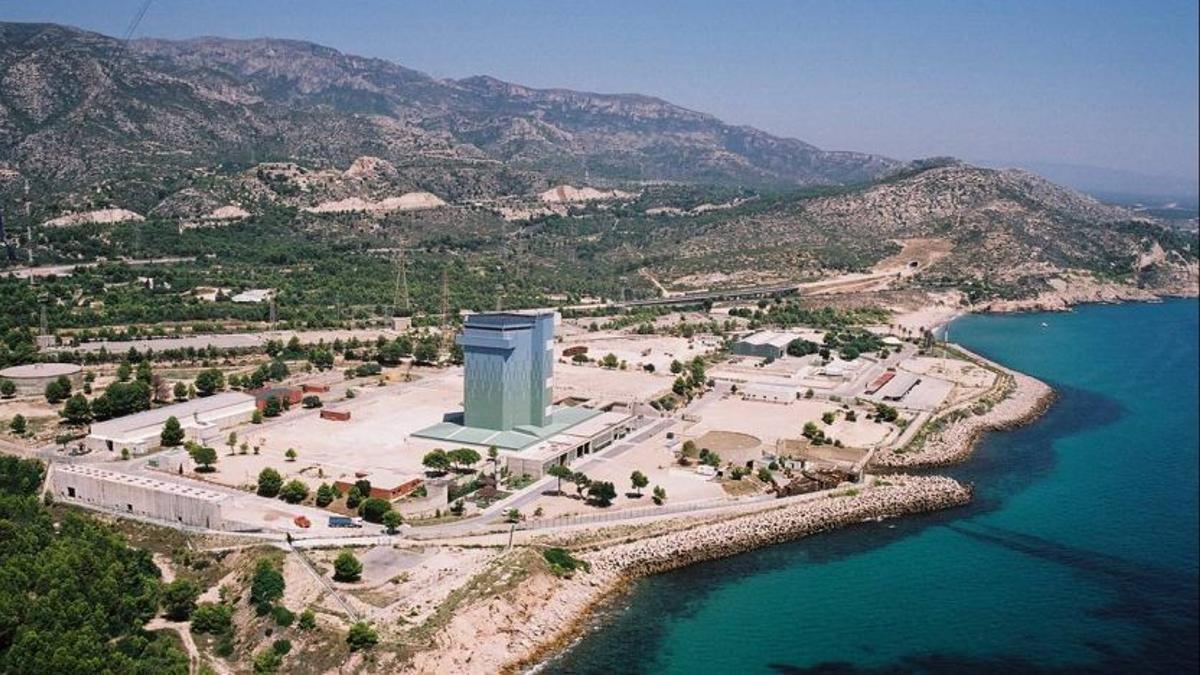
In 1989 the Vandellós I nuclear power plant in Tarragona suffered a serious fire, the worst nuclear incident in Spain’s history. After the accident, the radioactive fuel was sent to France for reprocessing because Spain didn’t have the facilities to handle it.
The Original Idea: Return the Waste Quickly
When the waste was first shipped to France, the idea was to bring it back to Spain within a few years. Early plans set the return for 2010, then moved to 2015, and later to mid‑2017. Each date came and went without the waste making the trip back home.
Why the Delays Keep Happening
Changing Storage Plans
Spain originally wanted to build one big temporary storage site for all high‑level waste in Villar de Cañas (Cuenca). That project stalled, and the government eventually scrapped it. Instead, a new plan calls for seven smaller temporary warehouses—one for each reactor—so each site can store its own waste locally.
Slow Progress on the Vandellós Warehouse
The temporary warehouse meant to hold the Vandellós waste was supposed to start construction in 2026 and be ready by the end of 2027. However, the public company Enresa, which manages the project says the tender for construction won’t even be announced until the second half of 2027—about a year later than planned. Because of that, the facility likely won’t be operational until late 2029 or early 2030.
Financial Penalties Keep Growing
While the waste sits in France, Spain has to pay a daily fee to the French company Orano (formerly Areva) for storing it. The penalty started at about 73,000 euros per day in 2017 and has risen to roughly 85,200 euros per day today. Over the past nine years Spain has already paid more than 266 million euros in penalties, and the total could reach between 360 million and 375 million euros by the time the waste finally returns.
Importantly, this money is treated as a deposit: once the waste is back in Spain, the amount will be reimbursed.
What Will Happen to the Waste When It Returns?
The fuel that comes back from France will be placed in the new temporary warehouse near the old Vandellós I reactor. It will stay there for almost 50 years—until a deep geological storage facility (called AGP) opens around 2073, which is meant to hold all of Spain’s nuclear waste permanently.
Until then, the Vandellós I reactor itself remains covered by a concrete sarcophagus. Full dismantling of the reactor is not expected to start until about 2030 and will take roughly 15 years.
Looking Ahead
Enresa now estimates that the first shipments of waste could begin arriving in Spain sometime between late 2029 and early 2030. The official agreement with France requires the waste to be back before December 31 2031, so there is still a window, but the timeline keeps slipping.
If the new temporary warehouses are built on schedule, Spain will finally be able to meet its long‑standing promise to bring the Vandellós waste home—though it will have taken two decades longer than originally hoped.
Key Takeaways for Teens
- Accidents at nuclear plants can create waste that needs special handling for many years.
- International agreements often include financial penalties if deadlines aren’t met.
- Building safe storage facilities takes time, money, and careful planning.
- Even when plans change, the goal remains to protect people and the environment from radioactive material.
Conclusion
Spain’s effort to return the nuclear waste from the Vandellós I accident to its own soil has been delayed repeatedly, leading to growing daily fines that now cost tens of thousands of euros each day. While a new plan for local temporary warehouses is underway, construction setbacks mean the waste likely won’t arrive back in Spain until the end of the decade. The situation shows how complex and costly managing nuclear legacy can be, and why meeting commitments—both financial and environmental—matters for the future.
Source: Source
Images Credit: www.diariodeibiza.es