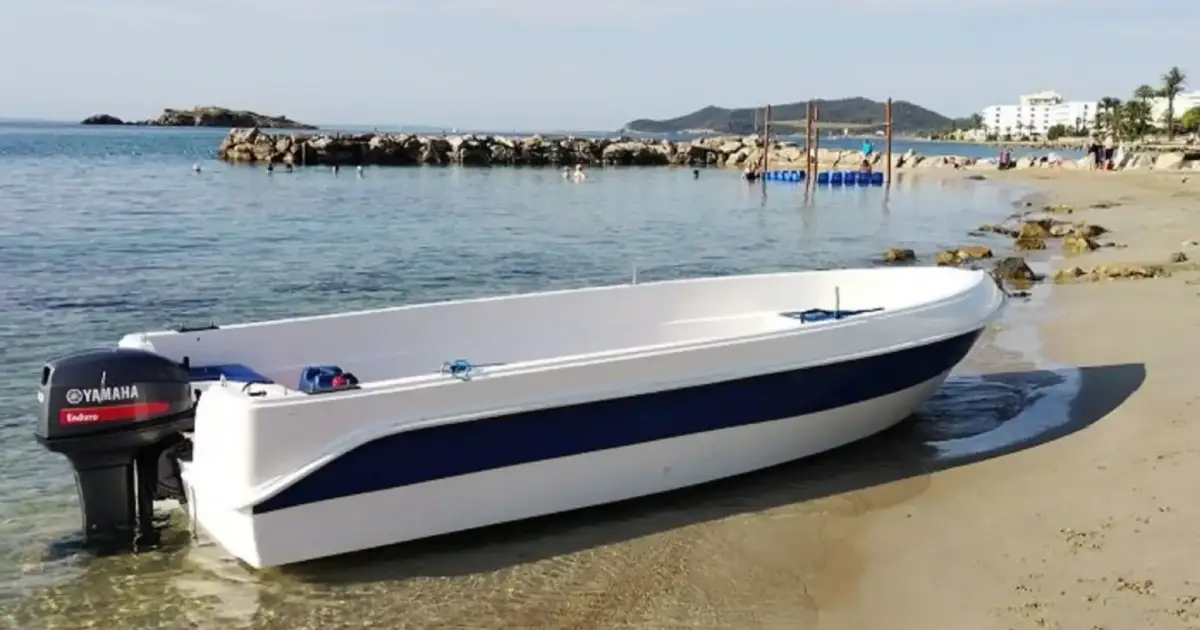


Overview of the Week’s Arrivals
During the past week, a total of 412 migrants reached the waters around Mallorca and its neighboring islands. They arrived in 23 small boats, mostly originating from North Africa.
Numbers and Origins
Most of the people on board were of Maghrebi descent, with a smaller group from sub‑Saharan regions. The arrivals were spread across several days, with some days seeing far more boats than others.
Friday’s Arrivals
On Friday morning two boats were intercepted:
- The first boat was found 10 nautical miles south of Cabrera at 2:40 a.m., carrying 22 Maghrebi migrants rescued by the Santanyí lifeguard service and the Guardia Civil.
- The second boat arrived near Cala Santanyí at 5:50 a.m. with 27 people on board. Because the area is hard to reach, local police, the Guardia Civil, and the sea rescue team all had to work together.
Thursday’s Peak Day
Thursday saw the highest activity, with 121 migrants arriving in nine boats:
- The first wave hit Formentera between 6:15 a.m. and 9:00 a.m.
- At 9:25 a.m. a boat reached Cala Santanyí on Mallorca.
- Between 11:00 a.m. and 12:58 p.m. two more boats were stopped before Cabrera.
- Later in the day three additional boats landed on Es Caló beach in Formentera, bringing 14 more people ashore.
Wednesday’s Activity
Wednesday was the second busiest day. Five boats carried a total of 112 migrants, mixing Maghrebi and sub‑Saharan travelers. Most landed on Formentera between 4:21 a.m. and 8:55 p.m., while one boat with 15 people arrived at a different time.
Rescue Operations and Challenges
Coordinated Efforts
Rescue missions involved multiple agencies: local police forces, the Guardia Civil, and the maritime rescue service. Their joint work helps ensure that boats are spotted quickly and that people receive medical aid and shelter.
Difficult‑to‑Reach Areas
Some landing spots, like the waters near Cala Santanyí, are hard to access because of rocky coastlines or limited roads. In these cases, rescue teams must use special boats or helicopters to reach the migrants safely.
What This Means for the Islands
The steady flow of migrants highlights ongoing humanitarian and logistical challenges for the Balearic Islands. Authorities continue to balance border security with the duty to provide aid to those in danger at sea. Local communities often volunteer to help with food, clothing, and temporary housing while officials process each case.
Conclusion
Over the course of one week, more than 400 people arrived on small boats across the Balearic archipelago, with peak activity on Thursday and Friday. The situation underscores the importance of rapid, coordinated rescue operations and the need for continued support for both migrants and the islands that receive them.
Source
Images Credit: www.mallorcamagazin.com