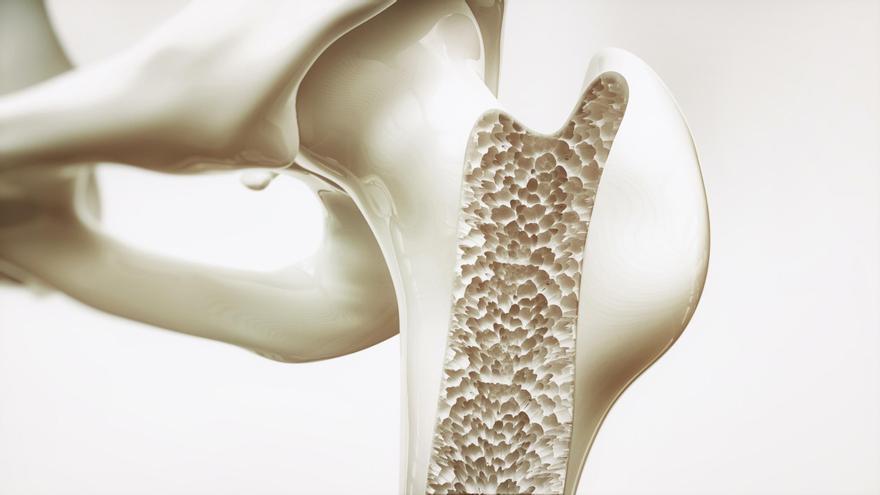


Understanding Osteoporosis in Spain
Key Findings from the Osteoporosis Observatory Survey
A recent survey by the Hispanic Foundation for Osteoporosis and Metabolic Bone Diseases (FHOEMO) looked at 934 people, most of whom were women around 62 years old. The results show a big gap between having a fragility fracture and getting a proper osteoporosis diagnosis.
Diagnosis Gaps
- Only 5 % of women who suffered a fragility fracture were diagnosed with osteoporosis.
- Overall, 64.5 % of women with a fragility fracture had never been told they have osteoporosis.
- Osteoporosis affects about 22 % of women and 6.8 % of men over 50 in Spain.
Why Osteoporosis Goes Unnoticed
The disease is often called “silent” because it doesn’t cause pain until a bone breaks. Many people mistake fracture pain for osteoarthritis or another issue, which delays diagnosis.
Knowledge and Communication Problems
- More than 50 % of patients said their doctor never explained prevention steps.
- 72 % left appointments with unanswered questions about the disease.
- After diagnosis, 45 % weren’t informed about available medicines, and 56 % didn’t know the benefits or risks of those drugs.
Impact on Daily Life
Almost half (49.5 %) of those who had a fracture reported limitations in everyday activities. The loss of mobility can lead to insecurity and even depression, which makes staying active harder.
Gender Differences
Osteoporosis is more common in women:
- One in four women over 50 has the condition.
- Four out of five osteoporosis‑related fractures happen to women.
- In Spain, around 330,000 women experience a fragility fracture each year.
Experts stress that early diagnosis and prevention are especially important for women after menopause.
What Can Help?
- Lifestyle: Weight‑bearing exercise (like running or jumping) during teen years, safe sun exposure for vitamin D, and a balanced diet rich in calcium and protein.
- Screening: Women with risk factors should ask for a bone density test (densitometry) before a fracture occurs.
- Fracture Coordination Units: These multidisciplinary teams in hospitals improve follow‑up care. Spain now has 85 such units, two more than last year. They help 70 % of patients stay on treatment and could prevent over 1,200 fractures yearly, saving about €18.4 million.
Osteopenia vs. Osteoporosis
Osteopenia is a milder loss of bone mineral density that can progress to osteoporosis if not addressed. The survey found that while 93 % of respondents know what osteoporosis is, 34 % cannot tell the difference between osteopenia and osteoporosis.
Conclusion
Osteoporosis remains a hidden threat, especially for women over 50 in Spain. The data show that many people suffer fractures without ever receiving a proper diagnosis or clear information about prevention and treatment. Improving doctor‑patient communication, expanding fracture coordination units, and encouraging early bone‑density screening can make a big difference. By raising awareness and promoting healthy habits early in life, we can reduce the number of painful fractures and protect long‑term bone health.
Images Credit: www.diariodeibiza.es