

Understanding Fibrous Breasts
What Are Fibrous Breasts?
Fibrous breasts have more glandular (milk‑producing) tissue than fatty tissue. This is simply an anatomical variation—like having a different shape of nose—and it is not inherited from your parents.
How Exercise and Weight Affect Them
Working out can build up the pectoral muscles underneath the breast, but it does not change the amount of glandular tissue. If you lose weight, the fat inside the breast shrinks, which may make the breasts appear smaller.
Mammograms and Fibrous Tissue
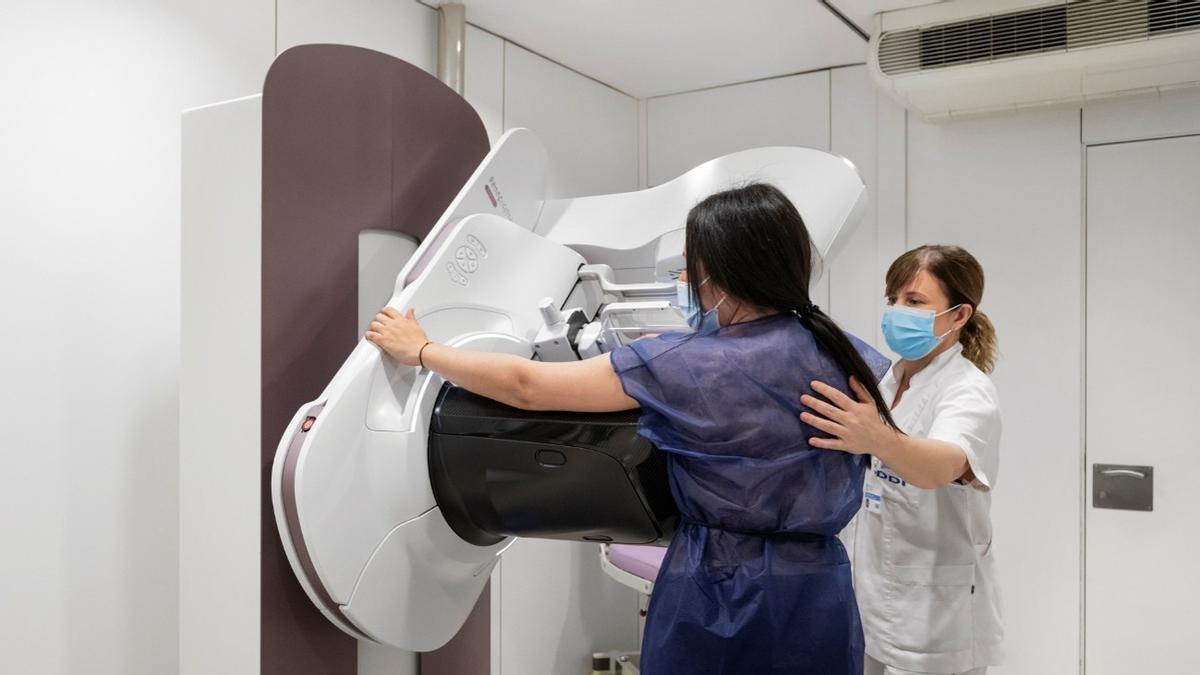
On a mammogram, dense glandular tissue shows up as white areas. Because this tissue can block X‑rays, small lumps or nodules might be harder to see in very fibrous breasts. Doctors often add an ultrasound to get a clearer picture when needed.
Pain and Discomfort
Fibrous breasts can feel tender or sore, especially before or during your period, because they respond more strongly to hormonal changes.
Cancer Risk Clarified
Having more fibrous tissue does not increase your chance of getting breast cancer. Risk factors include things like early first period, late menopause, smoking, alcohol use, never having breastfed, obesity, and certain hormone therapies—not breast density alone.
Related Breast Terms
Nodules, Cysts, and Tumors
- Nodule: Any lump or mass in the breast; it can be harmless or cancerous, so it needs further checking.
- Cyst: A nodule filled with fluid; usually benign.
- Tumor: An abnormal growth of tissue; may be benign or malignant.
- Cancer: A malignant tumor; most breast cancers start in the cells lining the ducts or lobules.
Calcifications
These are tiny calcium deposits that appear as small white spots on a mammogram. Most are harmless, but clusters or certain patterns may need extra tests.
Why Self‑Exploration Matters
How to Do a Breast Self‑Check
- Stand in front of a mirror with arms at your sides; look for any changes in size, shape, or skin texture.
- Raise your arms and look again.
- Using the pads of your fingers, press gently in a circular motion, covering the whole breast and underarm area.
- Lie down and repeat the circular motions, using different pressure levels to feel deep and superficial tissue.
- Note any new lumps, thickening, or nipple discharge and tell a healthcare professional.
When to Start
It’s a good habit to begin checking your breasts once you’re comfortable with your body, and definitely from age 40 onward when the likelihood of breast cancer rises. Regular self‑exams help you know what’s normal for you, making it easier to spot anything unusual early.
Conclusion
Fibrous breasts are a normal variation in breast anatomy. They can make mammograms a bit trickier to read and may cause cyclical tenderness, but they do not raise cancer risk. Understanding related terms like nodules, cysts, and calcifications, and practicing regular breast self‑awareness, empowers you to stay on top of your breast health. For more details, see the original source.
Images Credit: www.diariodemallorca.es