

Understanding Drowning Risks and How to Stay Safe
Why Drowning Happens in Spain
Every year, between 30 and 40 children lose their lives to drowning in Spain. For kids under five, most accidents happen in private pools. Teenagers and young adults are more likely to drown in lakes, rivers, or the sea, often after drinking alcohol.
Age‑Specific Risks
Young Children (under 5)
Small children can drown in just a few centimeters of water—think bathtubs, buckets, fountains, or inflatable pools. Constant adult supervision is the only reliable protection.
Teens and Young Adults
When older kids go swimming, they sometimes take risks like jumping into shallow water or mixing alcohol with water activities. These behaviors raise the chance of serious injury or drowning.
How Drowning Affects the Body
Doctors classify drowning into four grades based on how long the person is underwater and what happens to their body:
- First grade: The victim is awake, breathing normally, and has good oxygen flow to the brain.
- Second grade: The airways tighten (bronchospasm) but breathing and consciousness are still okay.
- Third grade: Bronchospasm plus trouble breathing. The brain may not get enough oxygen, causing confusion or irregular heartbeat.
- Fourth grade: The heart stops. Without quick help, this leads to death. Severe cases happen when more than 10 ml of water per kilogram of body weight enters the lungs.
What to Do If Someone Is Drowning
- Get the child out of the water as fast as possible.
- If they are awake and breathing, lay them on their side. This keeps the airway clear and helps them cough out any water.
- If they are not breathing, call emergency services (112) right away and start CPR.
- If you’re alone, don’t stop CPR for more than one minute to get help. Keep going until professionals arrive.
- Prevent heat loss: remove wet clothes, dry the child, and cover them with a blanket.
- Do NOT try to push water out of the stomach unless you see a clear blockage in the throat.
When to Start Swimming Lessons
Experts say kids can begin formal swim lessons around age 4. Starting earlier—between 1 and 4 years—can also lower drowning risk, but parents should think about the child’s maturity, how often they’re near water, and any health concerns.
Floaties and Safety Gear: What Works?
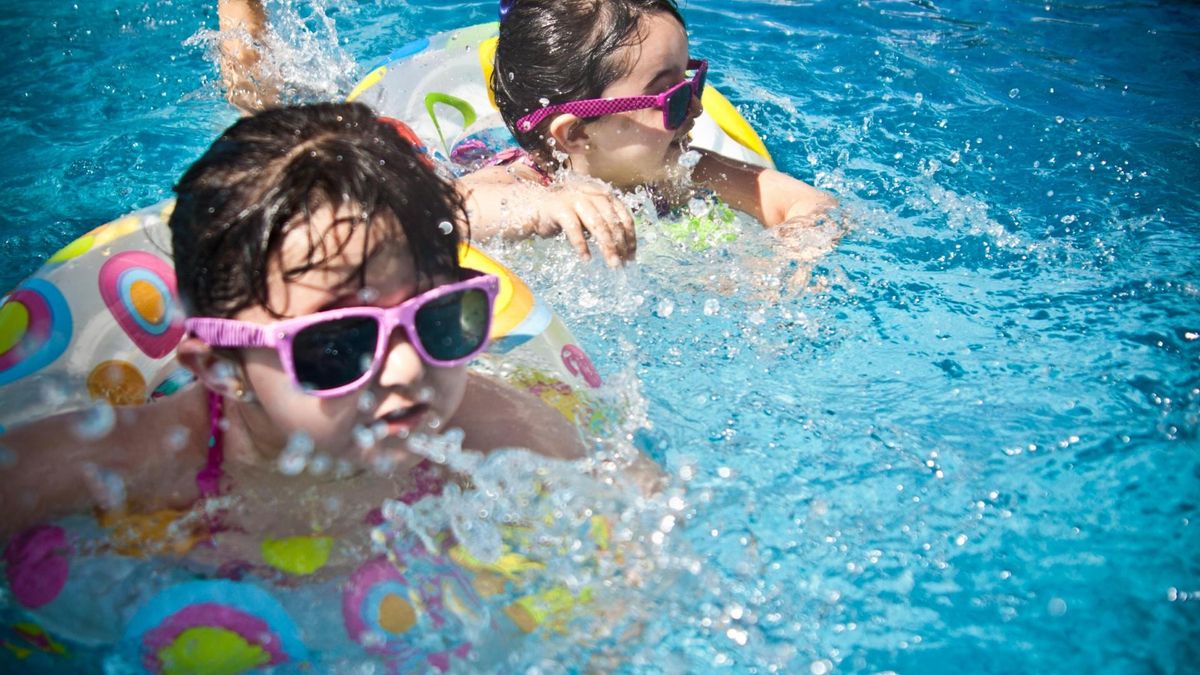
Life jackets that fit properly and are approved are the best choice for kids near water. Inflatable arm bands, “swimmies,” or neck floats do NOT protect against drowning and can give a false sense of security. The safest way for babies to enjoy water is to be held by an adult at all times.
Conclusion
Drowning is a serious danger, but most cases can be prevented with close supervision, proper safety gear, and knowing how to react quickly. Teaching children to swim early, avoiding alcohol around water, and using approved life jackets save lives. Stay alert, stay prepared, and keep water fun safe for everyone.
Source: Source
Images Credit: www.diariodeibiza.es