

Understanding the Risk: Medications and Driving
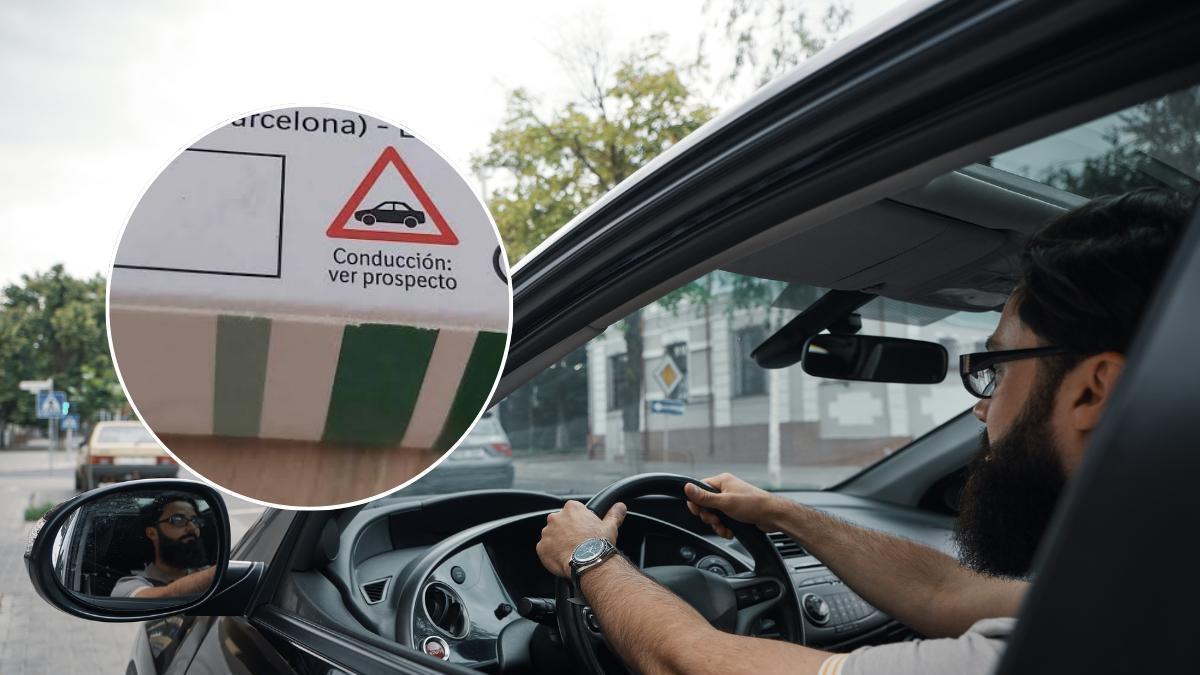
Many everyday medicines can change how you think, react, or stay alert behind the wheel. In Spain, a red triangle with a black car and the words “driving: see leaflet” on the package tells you that the drug might impair your ability to drive safely. This warning covers medicines such as anxiolytics, sleeping pills, antidepressants, antipsychotics, and even some over‑the‑counter products.
What Drivers Think vs. What They Do
Surveys show that most drivers recognize the danger. When asked to rate the risk of taking medication before driving, they gave it an average score of 6.9 out of 9, and 83 % said medicines can pose a high risk. Yet, when it comes to actual behavior, only 26 % say they drive more cautiously after taking a drug, and a mere 3 % mention it spontaneously as part of their pre‑drive checklist. In contrast, conditions like rain (72 %), night driving (60 %), or fatigue (53 %) trigger much higher levels of alertness.
Why a False Sense of Control Persists
More than half of medicated drivers (61 %) believe their medication has little or no effect on their driving ability. This confidence grows to 73 % among those who continue to drive while under the drug’s influence. The problem is that many side effects—drowsiness, slower reflexes, reduced attention—are subtle and can go unnoticed. About half of the drivers who both take medication and drive (49 %) admit they have felt symptoms such as fatigue or delayed reaction after a dose, but most choose to keep driving, simply lowering their speed or paying extra attention instead of stopping the car.
Beyond the Obvious: Other Medicines That Matter
While sleep aids, anxiety pills, and antidepressants are easy to flag, many drivers overlook the impact of common medicines like:
- Flu remedies and cough suppressants
- Antihistamines for allergies
- Muscle relaxants
- Certain “natural” supplements marketed for sleep or relaxation
These substances can also impair coordination or concentration, especially when combined with each other, alcohol, or other drugs—a situation known as polypharmacy. The combined effect can be stronger than any single medication alone, increasing the risk behind the wheel.
Who Is Most at Risk?
The study identified a typical driver who takes medication and still gets behind the wheel:
- Average age around 50 years (no strong gender difference)
- Uses the car mainly for daily personal errands (73 %)
- Has considerable driving experience, with 64 % holding a license for more than 20 years
Despite their experience, this group often underestimates how medication can affect their driving performance.
Practical Tips for Safer Driving
- Read the leaflet – Look for the driving warning symbol or any note about drowsiness or impaired concentration.
- Talk to your doctor or pharmacist – Ask whether the prescribed or over‑the‑counter medicine could affect your ability to drive and discuss alternatives if needed.
- Monitor how you feel – After taking a dose, notice any sleepiness, dizziness, or slowed reactions. If you feel off, delay driving or use another form of transport.
- Avoid mixing – Do not combine medication with alcohol or other drugs unless a health professional says it’s safe.
- Plan ahead – If you know a medicine makes you drowsy, schedule trips for times when its effects are weakest or arrange a ride‑share.
Conclusion
Medications play a vital role in managing health, but they can also hiddenly compromise driving safety. The gap between recognizing the risk and acting on it remains a major challenge, especially among experienced drivers who feel they can “handle” the effects. By increasing awareness, checking labels, consulting health professionals, and honestly assessing personal symptoms, drivers can reduce the chance of medication‑related accidents and keep roads safer for everyone.
Reference: Source
Images Credit: www.diariodeibiza.es