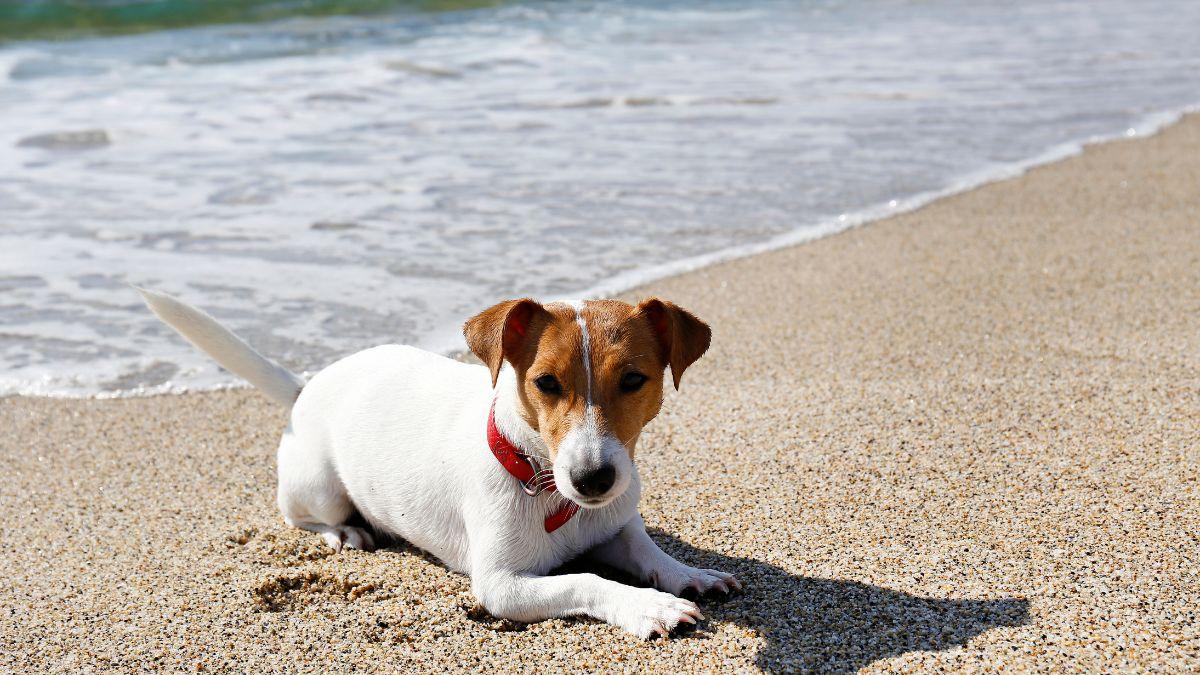


What to Do If Your Dog Gets Stung by a Jellyfish at the Beach
Why a “dead” jellyfish can still hurt
Even when a jellyfish looks dry and lifeless on the sand, its tiny stinging cells (called nematocysts) stay active. A touch can make them fire venom, causing pain, redness, swelling, and itching. Dogs often get stung on thin‑haired spots like the nose, mouth, ears, belly, or groin.
Common myths that make things worse
Don’t use fresh water
Rinsing the sting with tap or bottled water causes the stuck nematocysts to burst, releasing more poison. The only safe liquid for cleaning is seawater.
Vinegar isn’t a universal fix
Some guides suggest vinegar, but it works only for certain jellyfish species. For the common Mediterranean “sea nettle,” vinegar actually triggers more stinging. Unless you know the exact type, skip vinegar and stick to seawater.
First‑aid steps that really help
1. Stop your dog from scratching or licking
Prevent the venom from spreading by keeping your dog’s paws and mouth away from the wound.
2. Remove any visible tentacle bits
Wear gloves or use a plastic bag, then gently lift the pieces with the edge of a credit card or a similar flat object. Do not rub—just lift.
3. Rinse with seawater
Pour plenty of seawater over the area to wash away remaining nematocysts without triggering them.
4. Apply cold (not ice directly)
Wrap ice or a cold pack in a towel and hold it on the sting for about 10‑15 minutes. This reduces pain and swelling while you get to a vet.
If your dog swallows a jellyfish
Symptoms may include drooling, vomiting, gagging, and swelling of the mouth or throat. Trouble breathing is a red flag—seek veterinary care immediately.
Prevention tips
Check a jelly‑watching app like MedusApp before heading out. It shows recent sightings in real time, helping you avoid risky spots. Keep a close eye on your dog while walking the shore, and steer clear of any gelatinous blobs you see.
Conclusion
A jellyfish sting can turn a fun beach day into a painful experience for your dog, but knowing what to do—and what not to do—makes a big difference. Keep freshwater and vinegar away, rinse with seawater, remove tentacles carefully, use a cold compress, and get professional help if symptoms worsen. A quick glance at a jelly‑alert app can also keep you both safe before you even set foot on the sand.
Images Credit: expertoanimal.elperiodico.com