

Why Cats Love to Nap on Your Stuff
It’s Not About Annoying You
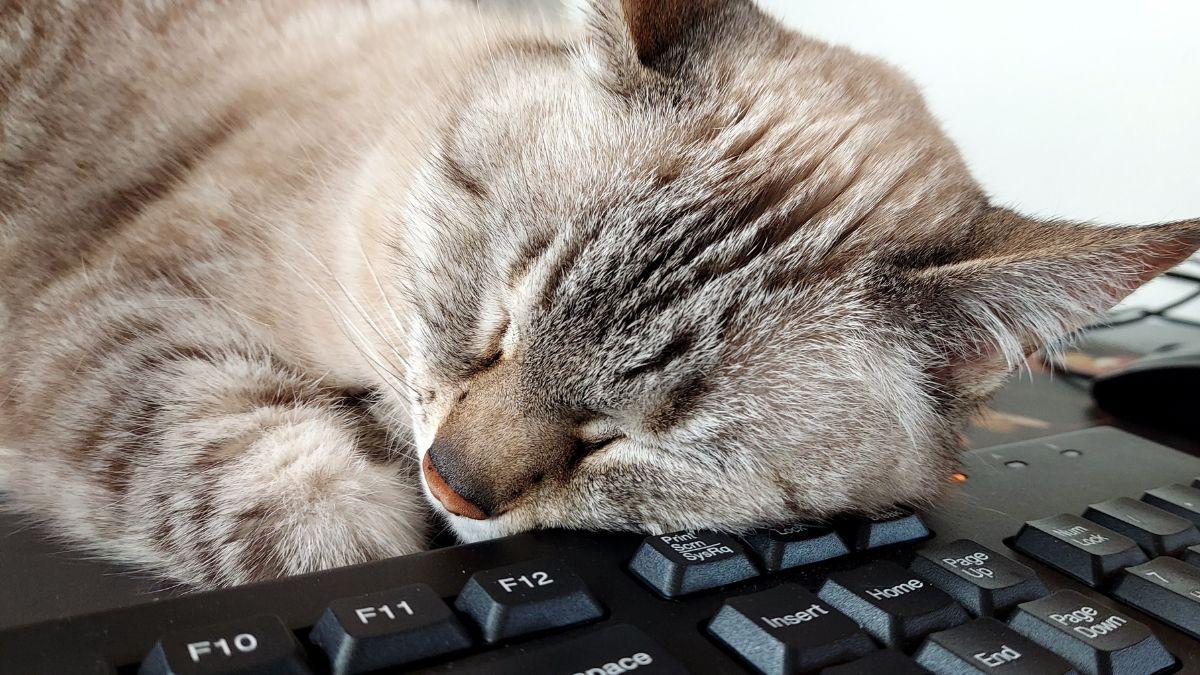
When a cat curls up on your laptop, a pile of clean clothes, or an open book, it’s easy to think they’re doing it on purpose to bug you. In reality, they’re not trying to be mischievous. The behavior has a clear, natural explanation rooted in how cats experience the world.
Smell Tells a Story
Cats rely heavily on their sense of smell—far more than we do. Every object you touch carries your scent, and to a cat that scent is a valuable piece of information. By lying on your belongings, they’re gathering details about what’s happening in their territory and reinforcing a feeling of safety.
What Cats Really Seek
- Familiar scent: Your smell signals “home,” which helps the cat feel calm and connected.
- Security: Being surrounded by a known odor reduces stress, even if the object isn’t the softest or most comfortable spot.
- Territory marking: Resting on your items leaves their own scent behind, letting other animals know the space is claimed.
How to Make Your Home Cat‑Friendly
Vertical Space Matters
Cats love to climb and observe from high points. Install shelves, cat trees, or window perches at different heights so they can survey their domain and feel in control.
Hide‑aways and Scratching Posts
Provide cozy boxes, tunnels, or enclosed beds where they can retreat. Scratching posts (both vertical and horizontal) let them sharpen claws and mark territory without damaging furniture.
Toys and Observation Spots
Interactive toys stimulate hunting instincts, while a simple perch by a window lets them watch birds, people, or passing cars—mental enrichment that keeps boredom at bay.
Quick Tips for Better Coexistence
- Observe, don’t assume. If your cat chooses a strange spot to nap, check if it smells like you before labeling it “annoying.”
- Offer alternatives. Place a soft blanket or a cat bed near your favorite work area; the familiar scent will attract them there instead of your keyboard.
- Keep the environment varied. Rotate toys and rearrange climbing structures occasionally to maintain interest.
- Respect their need for scent. Avoid washing blankets or beds too frequently; a lingering human scent is comforting.
Conclusion
Understanding that cats lie on your things to seek comfort through scent—not to irritate you—helps build a stronger bond. By providing an environment that respects their natural instincts for height, hiding, and scent‑based security, you’ll promote both their well‑being and a harmonious household.
Reference: Source
Images Credit: expertoanimal.elperiodico.com