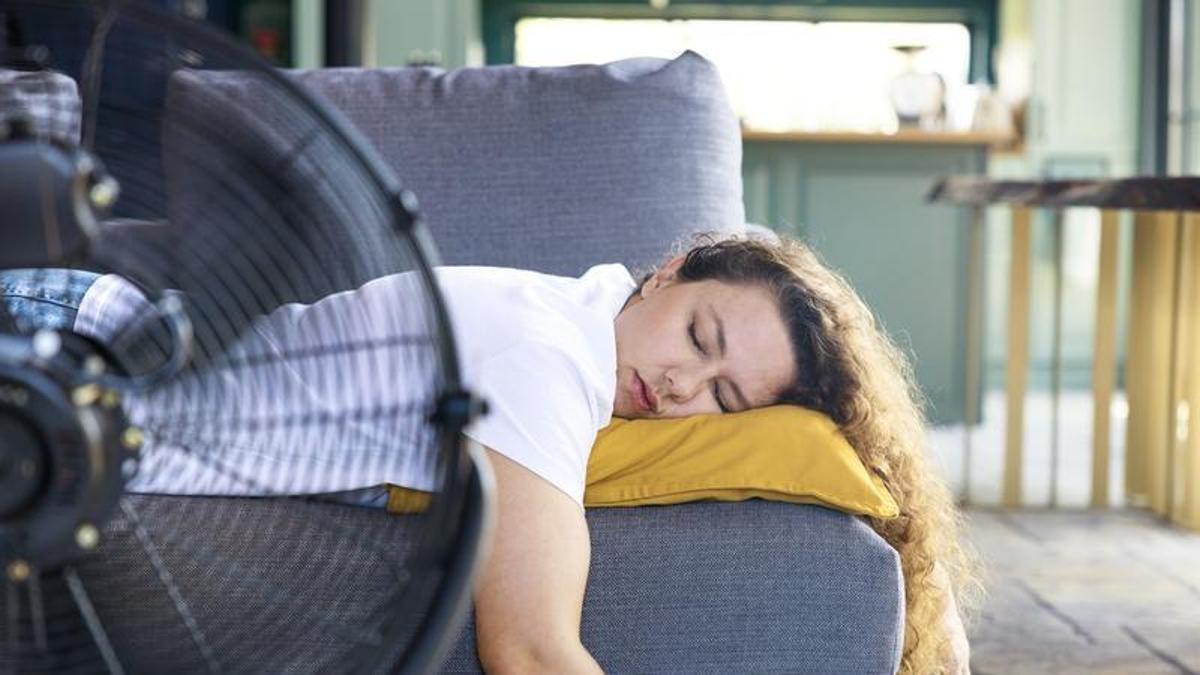


How Your Body Learns to Beat the Heat
The summer of 2026 kicks off this Sunday, June 21, with the first heat wave of the season. Forecasts from the State Meteorological Agency (AEMET) show temperatures climbing above 35 °C everywhere, and in many spots reaching 38 °C – 40 °C. Nights may stay warm, rarely dropping below 23 °C – 25 °C.
Can We Train Ourselves to Handle More Heat?
According to Dr. Luis Tejedor, head of Internal Medicine and Geriatrics at Vithas Madrid Arturo Soria University Hospital, the human body is surprisingly good at adjusting its cooling system. It ramps up sweat production and tweaks blood flow to the skin to keep internal temperature steady.
However, this ability isn’t the same for everyone. In older adults and young children the sweat glands work less efficiently, and the sense of thirst—and the drive to drink—can be blunted. That makes it easier for core temperature to rise dangerously.
The Acclimatization Window
Experts say the sweet spot for getting used to heat is a 7‑ to 14‑day period of gradual exposure. For seniors, supervised programs lasting about 12 days have been shown to help the body learn to cope without over‑stressing the heart.
When the weather shifts suddenly and there isn’t time for that gradual build‑up, extra precautions become essential.
What Happens Inside Your Body?
During acclimatization, several key changes occur:
- Blood volume increases, which helps with hydration and heat transport.
- Resting heart rate drops, meaning the cardiovascular system works less hard.
- Sweat starts earlier and becomes more abundant, improving evaporative cooling.
These adjustments let the body maintain a stable internal temperature with far less strain on the heart.
There’s a Biological Limit to Heat Tolerance
Even with training, there’s a ceiling. When the wet‑bulb temperature (a measure that combines heat and humidity) gets too high, sweat can’t evaporate and the body can’t cool down.
For older people this limit is noticeably lower than for younger individuals, so relying solely on acclimatization isn’t safe. Staying hydrated and limiting time in extreme heat remain the top priorities.
Practical Tips for Teens
1. Ease Into Outdoor Activity
If you’re planning sports or workouts outside, start with short sessions and gradually increase length and intensity over a week or two.
2. Hydrate Smartly
Drink water regularly, not just when you feel thirsty. Adding a pinch of salt or an electrolyte drink can help replace what you lose in sweat.
3. Dress for the Heat
Light‑colored, loose‑fitting clothing made from breathable fabrics (like cotton or moisture‑wicking synthetics) helps sweat evaporate.
4. Use Cool‑Down Strategies
Take breaks in shade or air‑conditioned spaces, splash cool water on your face and wrists, or use a fan to boost airflow.
5. Know the Warning Signs
Dizziness, headache, excessive fatigue, nausea, or a rapid pulse can signal heat‑related illness. If you notice any of these, stop activity, cool down, and seek help if symptoms persist.
Conclusion
Your body can adapt to higher temperatures, but it takes time and the right approach. By gradually increasing exposure, staying well‑hydrated, dressing appropriately, and listening to your body’s signals, you can enjoy summer activities safely—even when the mercury climbs. Remember, acclimatization helps, but it doesn’t replace basic precautions like drinking water and avoiding prolonged heat exposure.
Reference: Source
Images Credit: www.diariodeibiza.es