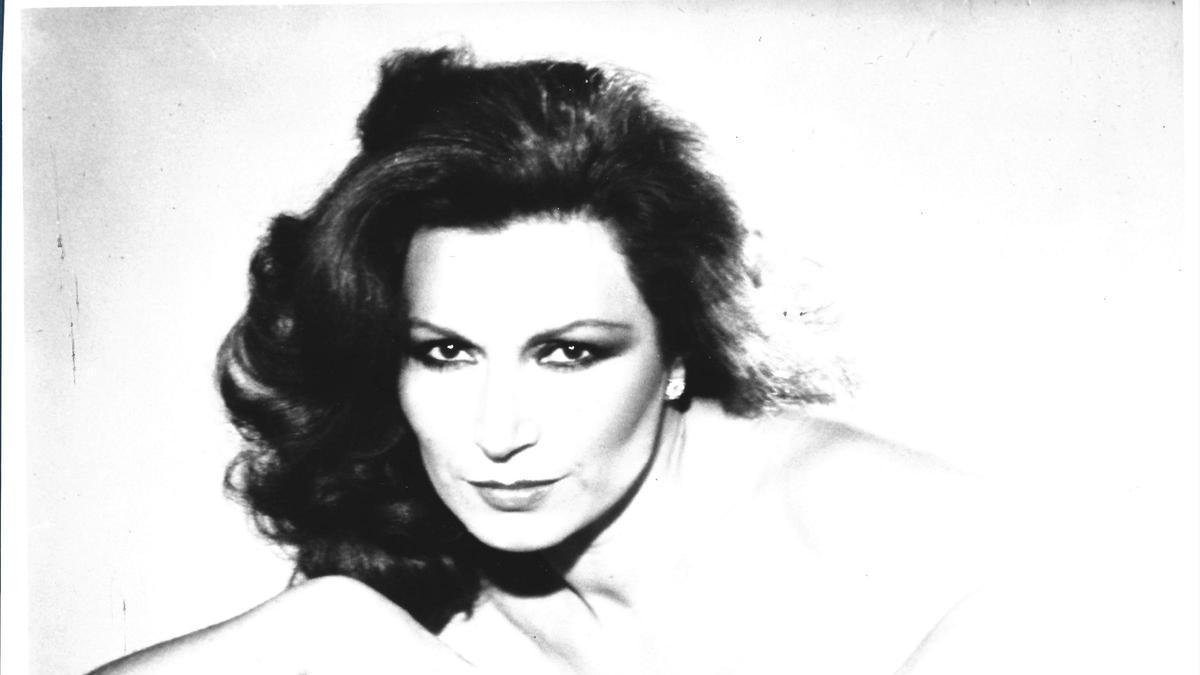


Rocío Jurado – From Small Town to International Star
Early Days in Franco‑Era Spain
Rocío Jurado grew up in a modest household in southern Spain during a time of strict dictatorship, limited freedoms, and strong gender expectations. Despite these obstacles, she found her voice in folk music and began performing locally, quickly gaining attention for her powerful tone and stage presence.
Breaking Into Latin America
In the 1980s, already a beloved star at home, Rocío took her act on long tours across Latin America. Audiences there started calling her “the greatest,” a nickname that later inspired the title of a documentary series about her life.
The Documentary “The Greatest”
What the Series Covers
Movistar Plus released a four‑chapter documentary called The Greatest. The first episode premiered this Thursday. The series traces Rocío’s journey from her humble beginnings to her status as an international icon, highlighting how her personal struggles mirrored Spain’s social evolution.
Daniela Vega as Narrator
The narrator of the series is Chilean actress and singer Daniela Vega. Although she was too young to have lived through most of Rocío’s career, Vega was chosen because she is a passionate fan and shares a deep personal connection to the star’s story. Morante, the director, says Vega experiences the narrative like a fable—reading it with both enjoyment and emotion.
The Hidden Autobiography
How Rocío Carrasco Found the Manuscript
Rocío Carrasco, the star’s daughter and executive producer of the documentary, revealed that her mother never kept a diary. Instead, after the death of Rocío’s husband, boxer Pedro Carrasco, she gave her son an envelope containing photos and a written biography covering Rocío’s life up to her separation from Pedro. Rocío kept the envelope tucked away for years, only rediscovering it while researching for the documentary.
What the Pages Reveal
The uncovered manuscript fills gaps in the public’s knowledge. It includes personal reflections and details that were previously only rumored or partially known, offering a more intimate view of Rocío’s thoughts and feelings during pivotal moments of her career.
A Feminist Ahead of Her Time
Speaking Up on TV
Rocío never shied away from declaring her beliefs. On television programs, when presenters questioned whether she was a feminist, she answered confidently, “Well yes, of course I’m a feminist.” Her openness surprised many and still resonates today.
The 1974 Scandal Dress
One of the most talked‑about moments in her career happened in 1974 at a TVE gala. Rocío wore a semi‑transparent dress that caused such a stir that the Minister of Information and Tourism, Pío Cabanillas, resigned. Rocío clarified that the bold outfit belonged to her stage persona, not to her private self, emphasizing the separation between her artistic expression and everyday life.
Personal Touch – Rocío Carrasco’s Perspective
Growing Up With a Traveling Star
Rocío Carrasco shares that her mother’s career often meant long absences—sometimes three or four months at a time—but she always felt supported and loved. The first trip of Rocío Carrasco’s life was to Mexico when she was just eight months old, because her mother was working there.
The Influence of Songwriters Manuel Alejandro and Juan Pardo
The documentary highlights the crucial roles of composers Manuel Alejandro and Juan Pardo. Alejandro wrote hits that matched Rocío’s fierce stage image, while Pardo helped her reinvent herself with the album Punto de Partida (1989) during a low point in her career. Their collaborations allowed Rocío to stay relevant and continually evolve as an artist.
Why Rocío Jurado Still Matters Today
Lessons for Young Artists
Rocío’s story teaches young performers about perseverance, authenticity, and the power of using one’s platform to challenge societal norms. Her rise from a repressed environment to international fame shows that talent combined with determination can break barriers.
Her Legacy in Music and Equality
Beyond her unforgettable voice, Rocío left a mark on discussions about gender equality in Spain. Her unapologetic feminism, her willingness to push fashion limits, and her dedication to her craft continue to inspire new generations of artists and activists.
Conclusion
Rocío Jurado’s life was more than a series of hit songs and glamorous performances; it was a narrative of courage, self‑expression, and social change. The Movistar Plus documentary The Greatest, guided by her daughter Rocío Carrasco and narrated by Daniela Vega, brings that story to a modern audience—especially teens—showing how one woman’s journey can reflect an entire nation’s transformation and encourage others to follow their own truth.
Images Credit: www.diariodemallorca.es