

Overview
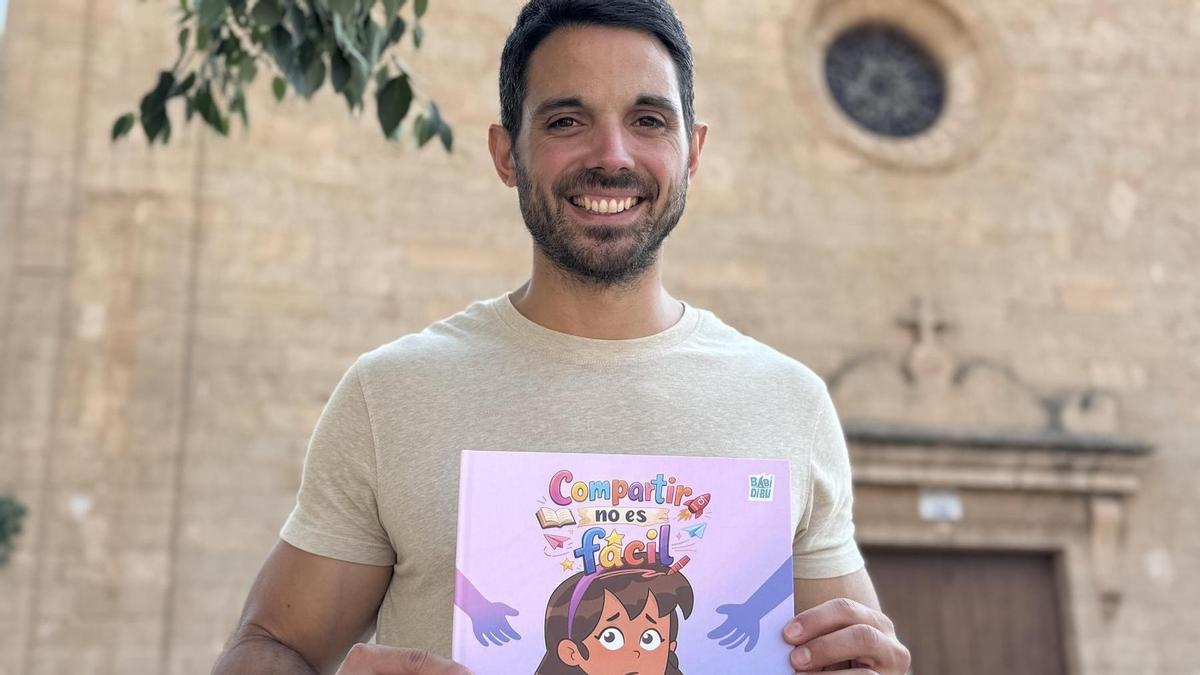
Javier García Navarro, a teacher and father of two young children, has stepped into the world of children’s literature with his debut book “Sharing is Not Easy.” The story tackles a everyday challenge—learning to share—and aims to help kids (and the adults who read to them) recognize emotions, build empathy, and see the gap between what we ask of children and what we often practice ourselves.
Who Is Javier García Navarro?
- Profession: Primary school teacher.
- Personal life: Father of two small children, which gave him first‑hand insight into the struggles kids face when asked to share.
- Motivation: Noticed a contradiction—children are constantly told to share, yet adults frequently refuse to share with them.
The Inspiration Behind “Sharing is Not Easy”
- Root idea: The obligation placed on children to share, contrasted with adult behavior.
- Core question: Why do we expect generosity from kids when we often model the opposite?
- Goal: Create a narrative that mirrors this inconsistency, prompting reflection from both young readers and the adults who guide them.
Plot Summary and Core Message
- Protagonist: A young girl who is repeatedly asked to give away her toys, snacks, and time.
- Adult response: When she asks her father or teacher to share something with her, they say no.
- Emotional impact: The girl feels confused and frustrated, highlighting the mixed messages children receive.
- Turning point: She meets a friend who genuinely wants to share, and she experiences the joy of giving willingly.
- Takeaway: Sharing feels natural when it comes from mutual desire, not from forced obligation.
Illustration by Cris Seto
- Style: Simple, clean images with minimal visual noise.
- Process: Javier provided suggestions; Cris translated them into clear, expressive drawings that keep the focus on the characters’ emotions.
- Effect: The artwork supports comprehension for younger readers while remaining engaging for older kids and teens.
Publishing Journey with Babidi‑bú Editorial
- First publication: This book marks Javier’s debut in the publishing world.
- Collection: Part of the La casita esdrújula line, which focuses on educational and emotionally resonant stories.
- Support: Babidi‑bú helped shape the manuscript, ensuring the language and layout suited both home reading and classroom use.
Why Sharing Matters for Kids and Adults
- Emotional learning: Recognizing one’s own feelings and those of others builds empathy.
- Modeling behavior: Children imitate what they see; when adults share willingly, they reinforce the lesson.
- Real‑life relevance: The story opens conversations about fairness, boundaries, and genuine generosity—topics that resonate throughout adolescence and adulthood.
How the Book Can Be Used at Home and School
- Read‑aloud sessions: Parents and teachers can pause to ask, “How would you feel in this situation?”
- Activity extensions: Role‑play scenarios where children practice asking to share and responding positively.
- Discussion guides: Simple prompts linked to each page help explore emotions, empathy, and personal boundaries.
- Classroom projects: Students can create their own “sharing stories” or draw illustrations that depict moments of genuine giving.
Conclusion
Sharing is Not Easy offers a clear, relatable window into the complexities of generosity. By presenting a child’s perspective alongside adult contradictions, Javier García Navarro invites readers of all ages to examine their own habits and grow more empathetic. The book’s straightforward language, thoughtful illustrations, and practical applications make it a valuable tool for families and educators seeking to nurture kindness and emotional intelligence in the next generation.
Images Credit: www.diariodemallorca.es