

Early Life
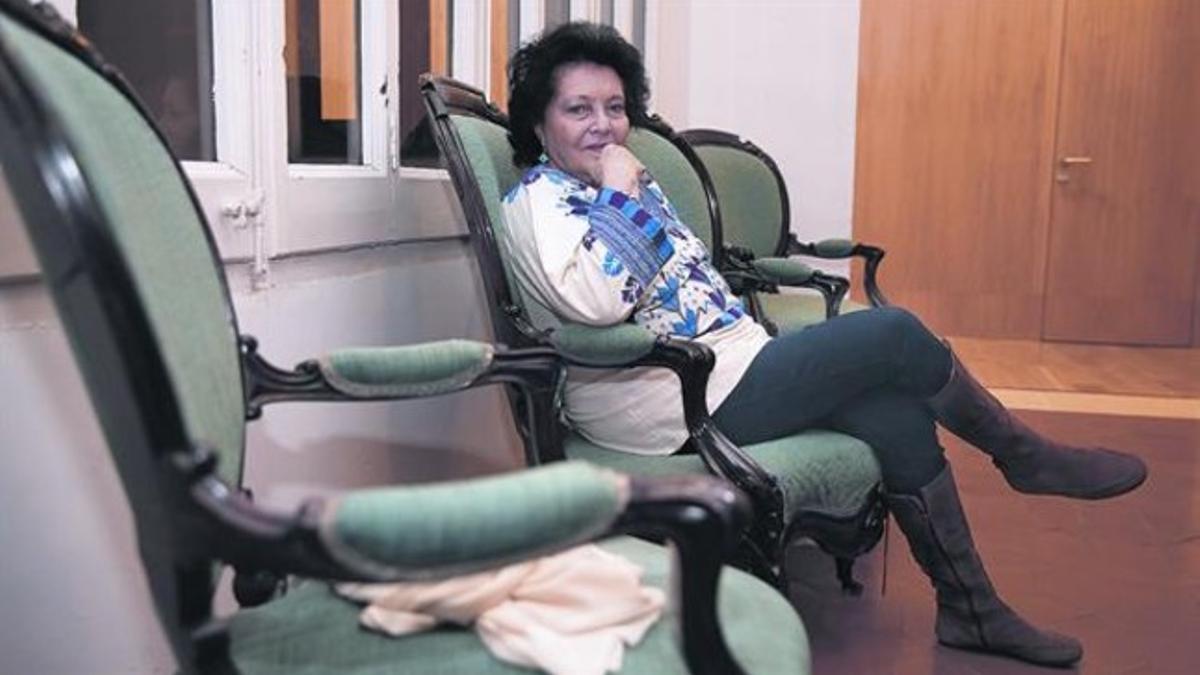
Aitana Alberti was born in 1941 in Argentina. Her parents, Rafael Alberti and María Teresa León, were famous Spanish writers who had to leave Spain during the Spanish Civil War. Growing up in exile, Aitana heard many stories about her homeland and learned to love poetry from a young age.
Moving to Cuba
In 1984 Aitana moved to Havana, Cuba, and made it her home for the rest of her life. She quickly became involved in the island’s cultural scene, using her background in literature to help others appreciate the arts.
Work at the University of Havana
At the University of Havana she led the Rafael Alberti Chair, a program dedicated to studying and promoting her father’s work and the Generation of 27, a group of influential Spanish poets.
Contributions to Cuban Culture
Dulce María Loynaz Cultural Center
For more than fifteen years Aitana worked at the Dulce María Loynaz Cultural Center. There she directed a project called “Faith of Life: Image and Word,” which showcased the poems of the Generation of 27 and encouraged young people to read and write.
World Poets Movement and Festivals
Aitana was also an active member of the World Poets Movement. In Cuba she presided over the Southern Cultural Project, a network that links thirty cities across Europe and the Americas. She helped organize the Havana International Poetry Festival, bringing poets from many countries to share their voices.
Poetic and Narrative Works
Aitana’s own writing includes several poetry books:
- Poems by Aitana Alberti (1955)
- Pupil to the Wind (1998)
- And Be Born Again (1999)
- Amazon in the Spark (2016)
She also wrote narrative works that honor the memory of Spanish Civil War exiles:
- Tenants of Solitude (2006)
- Persian Tales (2018) – translated into German, Polish, Russian, Romanian and Italian
Legacy and Recognition
When Aitana passed away at the age of 84 in Havana, the Cuban newspaper Granma praised her as a “tireless defender of poetry, memory, peace and dialogue between peoples.” Her death left a large gap in Cuban culture, but her influence continues through the programs she started and the books she left behind.
Conclusion
Aitana Alberti lived a life devoted to words and bridges between cultures. From her early years in Argentina to her long stay in Cuba, she used poetry to keep history alive and to inspire new generations. Her work reminds us that literature can be a powerful tool for peace and understanding.
Images Credit: www.diariodemallorca.es