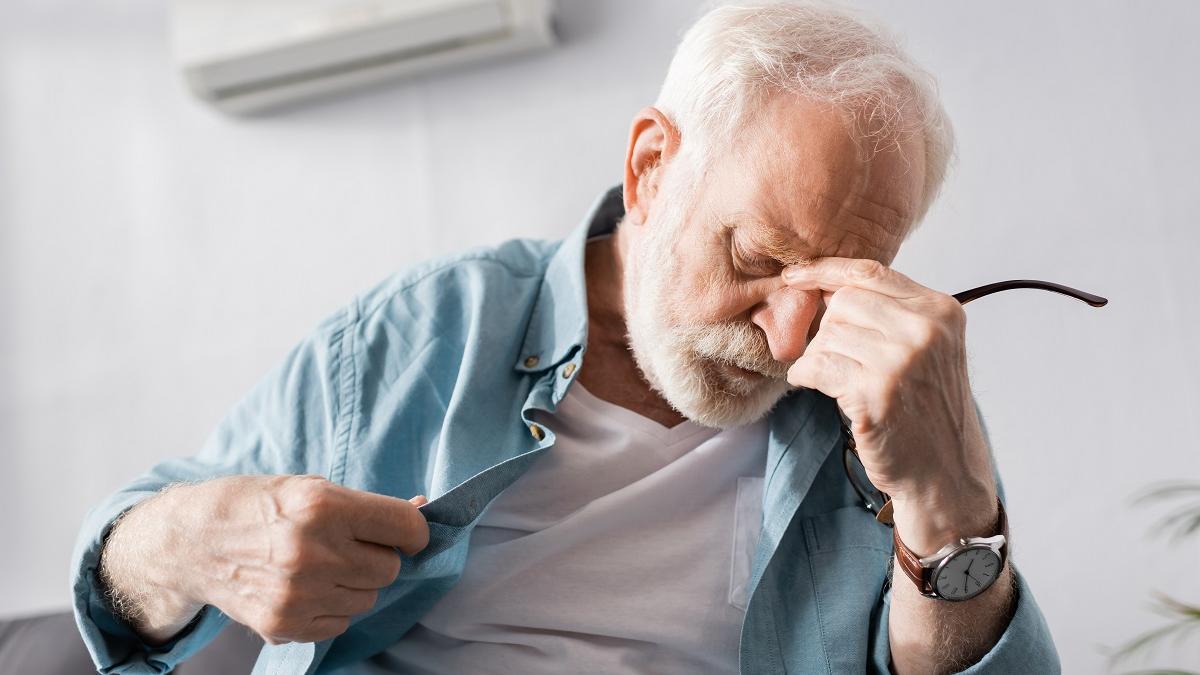


Understanding Heat Stroke
What Is Heat Stroke?
Heat stroke happens when the body can no longer keep its temperature inside a safe range. Instead of cooling down by sweating, the core temperature climbs—often above 40 °C (104 °F). When this occurs, the body’s natural thermostat fails and organs can start to suffer.
It Can Happen Indoors Too
Many people think heat stroke only strikes under blazing sun, but doctors warn that it can appear anywhere the body struggles to lose heat:
- Closed rooms with little airflow – high humidity stops sweat from evaporating, so the body can’t cool itself.
- Intense physical effort – exercising, playing sports, or doing heavy chores in a warm gym or garage creates internal heat faster than the body can dump it.
In both cases, the key factor isn’t direct sunlight; it’s the inability to regulate temperature.
Why Humidity and Other Factors Matter
Temperature alone doesn’t tell the whole story. The risk rises when:
- Relative humidity is over 60 %
- There’s little or no breeze
- Air pollution spikes (ozone and fine particles worsen breathing)
- Urban heat islands trap heat in concrete‑filled neighborhoods
When heat and humidity combine, the “feels like” temperature can be much higher than the thermometer shows, pushing the body toward danger faster.
How the Body Reacts as Temperature Climbs
| Body Temp (°C) | What Happens |
|---|---|
| 36‑37 | Sweating kicks in to cool you down |
| 39‑40 | Heat exhaustion begins; you may feel dizzy, nauseous, or confused |
| > 41 | Heat stroke – the body loses its ability to thermoregulate; vital organs can start to fail |
Who Is Most at Risk?
Certain groups handle heat less well:
- Older adults, especially those living alone
- People with chronic illnesses like diabetes, heart failure, kidney disease, or dementia
- Anyone taking multiple medications (polymedicated) – drugs such as anticoagulants, steroids, insulin, or potassium can interfere with heat tolerance
- The highest‑risk profile: a woman over 80 who lives alone and manages several health conditions at once
Recognizing the Warning Signs
Spotting heat stroke early can save a life. Look for:
- Body temperature 40 °C or higher
- Confusion, agitation, or unusual behavior
- Change in sweating (either very sweaty or dry, hot skin)
- Nausea or vomiting
- Flushed, red skin
- Rapid breathing and fast heartbeat
- Headache
If any of these appear during hot weather, treat it as an emergency.
What to Do If You Suspect Heat Stroke
- Call emergency services right away.
- Move the person to a cooler place—shade, an air‑conditioned room, or a fan‑blown area.
- Remove excess clothing.
- Cool the body quickly: apply cool, wet cloths to the neck, armpits, and groin; or immerse in cool (not ice‑cold) water if possible.
- Offer small sips of water only if the person is conscious and able to swallow.
Do not give anything to eat or drink if the person is unconscious or vomiting.
Prevention Tips for Teens
- Stay hydrated: drink water regularly, even if you don’t feel thirsty.
- Take breaks in the shade or indoors during sports or outdoor work.
- Wear lightweight, light‑colored clothing and a hat when outside.
- Use sunscreen, but remember it doesn’t stop overheating—it only protects skin from UV.
- Keep living spaces ventilated; use fans or air conditioning when the heat climbs.
- Look out for friends or family members who might be vulnerable—check in on them during heat waves.
Conclusion
Heat stroke isn’t just a sunburn problem; it’s a serious medical emergency that can strike anywhere the body can’t cool down. By understanding how temperature, humidity, activity, and personal health factors work together, teens can spot the warning signs early, act fast, and stay safe during the hottest days of summer.
Images Credit: www.diariodeibiza.es