

Why Cats Hide Pain
Cats are masters at keeping their discomfort to themselves. This trait comes from their wild desert ancestors, who were both hunters and potential prey. Showing weakness could attract predators, so domestic cats still tend to mask illness even when they live safely indoors.
What Is Feline Kidney Disease?
The Kidneys’ Job
The kidneys filter blood, remove waste, balance fluids, control blood pressure, and keep the body’s chemistry stable. Tiny structures called nephrons do the actual filtering.
What Happens in Kidney Disease?
In chronic kidney disease (CKD), nephrons are gradually destroyed. The kidneys lose their ability to concentrate urine and clear toxins, leading to a buildup of waste products in the blood. Over time this affects many body systems.
Common Signs That Might Be Mistaken for Just Getting Older
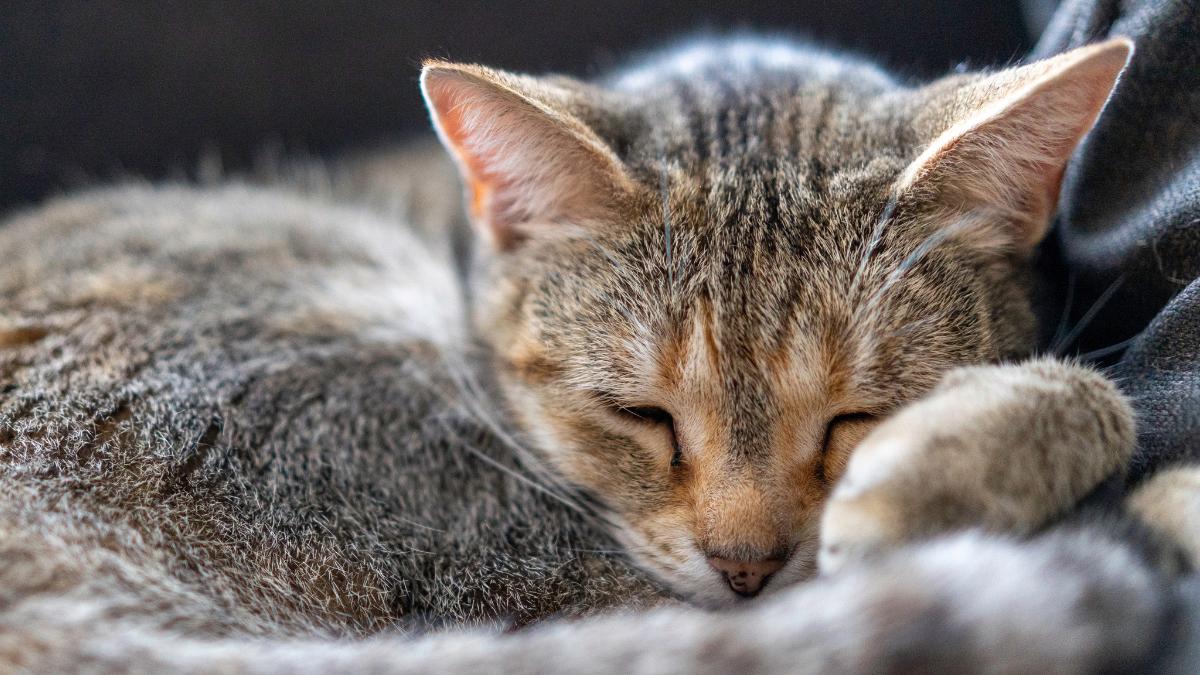
Sleeping Curled Up
If your cat suddenly starts sleeping in a tight ball when it used to stretch out, it could be trying to ease abdominal discomfort.
More Trips to the Litter Box
Increased urination (polyuria) happens because damaged kidneys can’t reabsorb water properly. Your cat may also drink more water (polydipsia) to compensate.
Low Energy and Less Play
Lethargy, reluctance to jump, or a noticeable drop in playtime can be signs of toxin buildup making your cat feel tired.
Other Clues to Watch For
- Vomiting or nausea
- Decreased appetite or weight loss
- Bad breath (often smells like ammonia)
- Poor coat condition from less grooming
- Muscle wasting
- Anemia (pale gums)
Many of these symptoms can be brushed off as “just aging,” but when several appear together or worsen quickly, they merit a closer look.
What to Do If You Notice These Signs
Observe and Track
Keep a simple log: note changes in water intake, litter‑box visits, appetite, and activity level. Patterns help the vet see the bigger picture.
Visit the Vet
A veterinarian can run blood tests, urine analysis, and sometimes imaging to assess kidney function. Early detection means treatments—like special diets, fluids, or medication—can slow the disease and improve quality of life.
Remember, you don’t need to diagnose the problem yourself; professional care is essential.
Conclusion
Cats hide pain well, but subtle shifts in behavior—like sleeping curled up, visiting the litter box more often, or seeming unusually tired—can be early warnings of kidney disease. By staying observant and seeking veterinary advice promptly, you give your feline friend the best chance to stay healthy and comfortable for years to come.
Reference: Source
Images Credit: expertoanimal.elperiodico.com