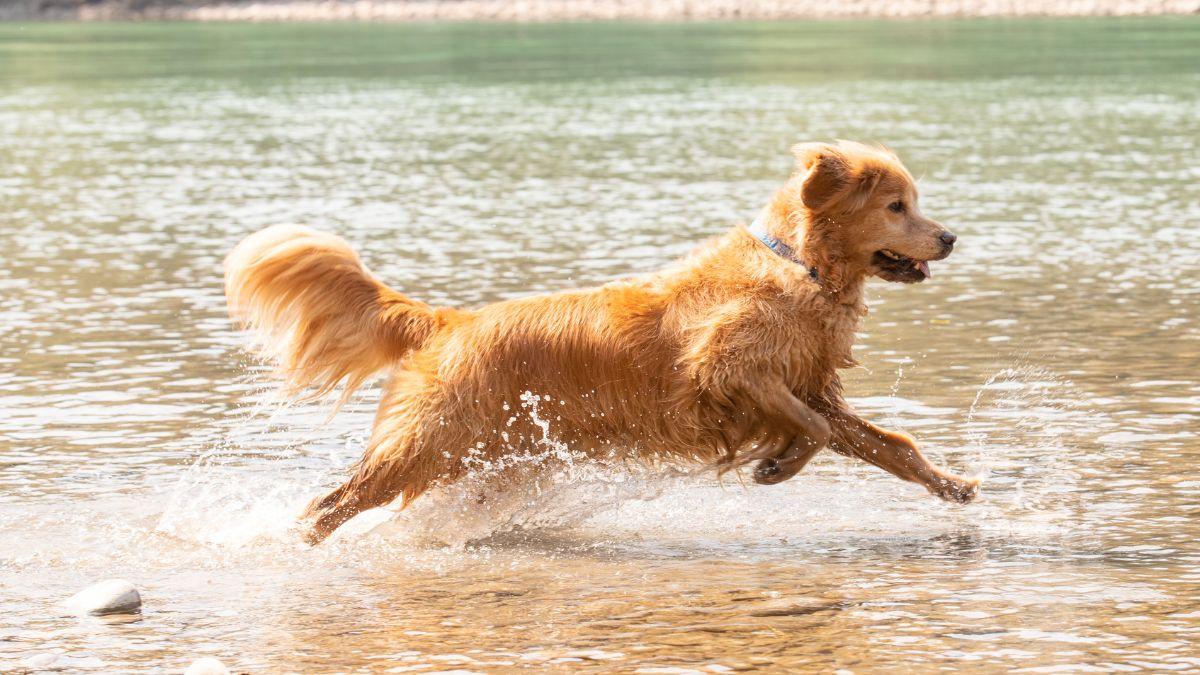


Why Some Dogs Love the Water More Than Others
Seeing a dog leap into a lake or splash through waves is a classic summer scene. Yet not every pup feels comfortable in the water. A dog’s enthusiasm for swimming often traces back to the jobs its ancestors were bred to do—retrieving game, helping fishermen, or rescuing people. Those histories shaped bodies that are built for paddling: strong legs, water‑ready coats, and big lungs.
Labrador Retriever – The Energetic Splash‑ Lover
Originally from Newfoundland and later refined in the UK, Labs were bred to haul nets and fetch items that fell overboard. Their otter‑like tail works like a rudder, a dense double coat repels water, and powerful legs give them steady propulsion. Because they love to retrieve, many Labs will happily chase a ball or stick thrown into a pool or lake for hours.
Golden Retriever – Enthusiastic and Enduring
Goldens share a similar background with Labs; they were developed in Scotland to bring back waterfowl during hunts. Their friendly, playful nature drives them to seek out water whenever they can. With balanced musculature and good stamina, Goldens often swim long distances to retrieve a toy, making them natural partners for water‑based games.
Newfoundland – The Gentle Giant Lifeguard
Newfoundlands were born to work alongside Canadian fishermen, towing nets, carrying ropes, and pulling people from danger. Their massive size is matched by huge lung capacity, webbed feet, and incredible strength. Even today, these dogs participate in water‑rescue demonstrations across Europe, proving that their lifesaving instincts are still strong.
Spanish Water Dog – A Home‑grown Swimmer
Originating on the Iberian Peninsula, the Spanish water dog helped herd livestock, guard property, and assist fishermen. Its tight, curly coat shields it from cold and moisture, while its sharp mind makes it quick to learn new tasks. Many individuals take to swimming naturally, especially when introduced to water in a fun, pressure‑free way.
Chesapeake Bay Retriever – The Hard‑Working Water Specialist
Less common in Europe but highly regarded in the US, the Chesapeake Bay Retriever was bred to fetch ducks in the icy, choppy waters of the Chesapeake Bay. A thick, slightly oily coat keeps it warm, and powerful limbs let it endure long sessions in lakes, marshes, or coastal surf. This breed is often cited as one of the top all‑around swimmers among dogs.
Keeping Water Play Safe
Even the most water‑loving dogs need supervision. Experts advise:
- Never force a hesitant dog into the water.
- Watch for signs of fatigue, overheating, or distress.
- Avoid areas with strong currents, boat traffic, or hidden hazards.
- Provide fresh drinking water so they don’t swallow salty or contaminated water.
- Rinse and dry ears after swimming to prevent infections.
- Consider a dog‑size life jacket for puppies, seniors, or open‑water activities.
Breeds with short snouts—like French Bulldogs or Pugs—often struggle to keep their airway clear while swimming, so extra caution is needed regardless of their interest.
Making a Splash Responsibly
Swimming can be a fantastic way for dogs to burn energy, stay cool, and bond with their families. When introductions are gradual, supervision is constant, and safety gear is used when appropriate, most water‑enthusiastic breeds can enjoy lakes, rivers, and beaches without trouble. Remember: a happy splash is best when it’s also a safe one.
Reference: Source
Images Credit: expertoanimal.elperiodico.com