

Women in Creative Leadership: Challenges and Paths Forward
The Scene at Juno House
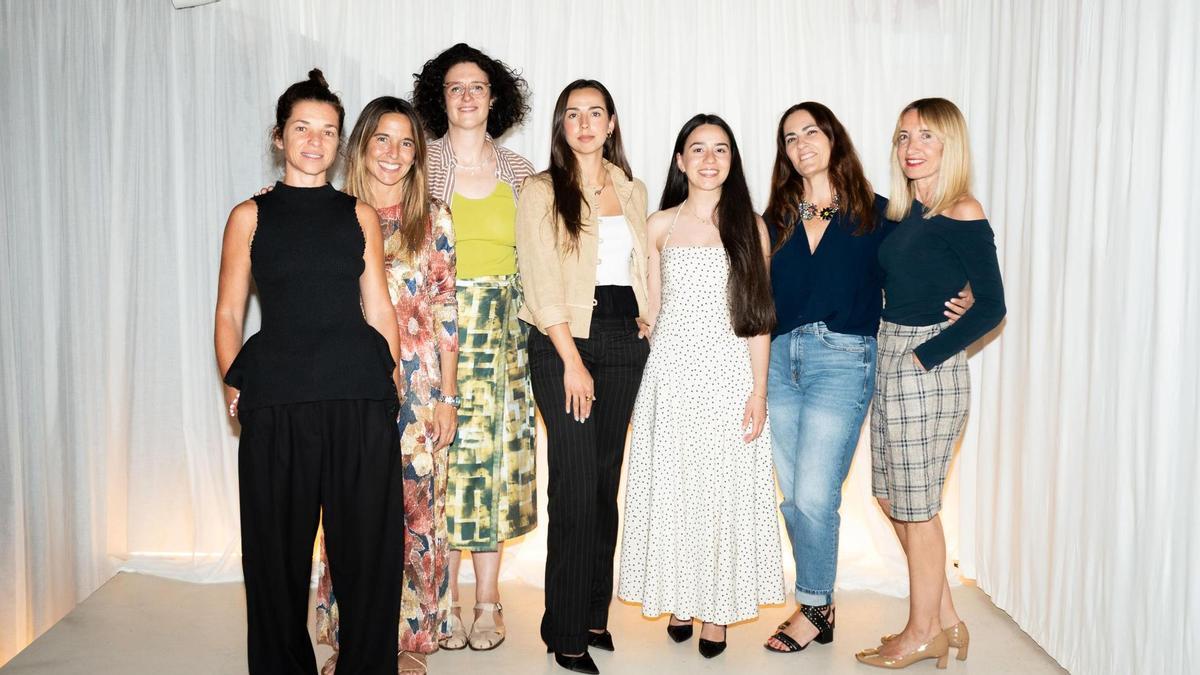
On a warm evening in Barcelona, the private club Juno House buzzed with conversation. Twenty minutes before dinner, guests sipped wine on the terrace, sharing laughs and ideas. Among them was Andrea Carandini, a creative professional with more than twenty years of experience in fashion and trend analysis. She wore a printed skirt, horn‑rimmed glasses, and a striped shirt, ready to talk about a topic that matters to many young women today: gender equality in the creative workplace.
Andrea Carandini’s Background
Andrea studied Fine Arts and has worked with brands like Bimba and Lola, advised The English Court, and collaborated with Pantone and First Vision. Since 2019 she has freelanced in Barcelona, mixing fashion projects with artistic direction for artists such as Monica Rikic and producing album covers for Maria Rodes.
The Gender Gap in Creative Teams
Andrea points out a paradox: while many creative teams are mostly women, the top jobs often go to men.
What the numbers show
- About 68 % of students studying advertising and design in Spain are women.
- Yet 75 % of department heads in those fields are men.
- According to the UnaDeDos 2024 report, only 38 % of women with over eleven years of experience become creative directors, compared to 65 % of men with the same background.
- The average salary difference for equivalent roles exceeds €10,000 per year.
Biases and Education
Andrea says the problem isn’t just about who gets hired; it’s also about deep‑seated biases and the way we’re raised.
Old‑school leadership ideas
Many still picture a leader as a man who can see the whole picture. Women may hold middle‑level roles, but they rarely move up to the top.
Self‑affirmation matters
Maite Carrillo, creative director at Ametller Origin, notes that girls are often taught to wait for opportunities instead of claiming them. Learning to speak up and take space is a skill that needs practice.
Networks and visibility
Francesca Tur, founder of Tendencias.tv, adds that the phrase “we couldn’t find women for this role” reveals where companies look for talent and which networks they trust. Expanding those circles can help break the cycle.
Redefining Success
Andrea reflects on what success really means.
Beyond climbing the ladder
She prefers to work on interesting, stimulating projects that help others and herself, moving freely from one task to another rather than chasing a traditional promotion.
Different career paths
Other speakers agreed that success isn’t only about becoming a boss. Long hours, dedication, and passion can build a rewarding career even without a formal leadership title.
STEAM and the Wider Impact
The discussion also touched on the broader STEAM fields (Science, Technology, Engineering, Arts, Mathematics) in Catalonia.
Economic weight
These sectors generate over €41.5 billion, representing 13.1 % of Catalonia’s GDP.
Where women stand
Women make up only 32.1 % of STEAM professionals nationally and just 13 % of enrollments in tech studies in Catalonia. Beatriz de Vicente, CEO of Juno House, stresses that the issue isn’t a lack of talent—it’s a lack of visibility for the contributions women already make.
Looking Ahead
Juno House plans to keep pushing for change. With support from companies like Under Armour, Logitech, and Andbank, and partnerships with groups such as PIMEC, SpainCap, and the Lidera program of Barcelona City Council, a third edition of the “(In)visibles” initiative will launch in July. The goal is to spotlight women whose work shapes the economy, culture, and business—yet who still don’t receive the public recognition they deserve.
Conclusion
The evening at Juno House made one thing clear: gender equality in creative and STEAM fields isn’t just about numbers. It’s about challenging old ideas about leadership, teaching girls and young women to claim their space, and making sure their work is seen and valued. When we expand networks, rethink what success looks like, and give credit where it’s due, everyone benefits—today’s teens and the professionals of tomorrow.
Source
Images Credit: www.diariodeibiza.es