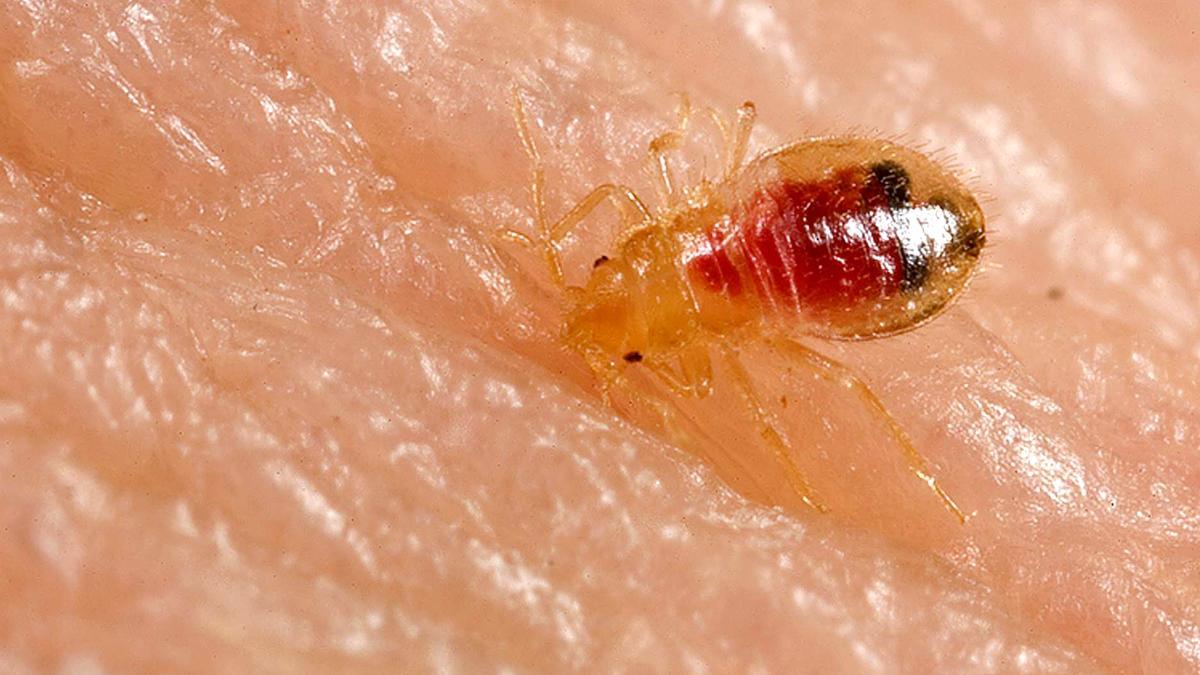


Bed Bugs Found in Hospital Emergency Area
What Are Bed Bugs?
Bed bugs (Cimex lectularius) are tiny, reddish‑brown insects that feed only on blood. They are about the size of an apple seed (4‑7 mm) and love to hide in mattresses, bed frames, cracks, furniture, and even clothing. During the day they stay out of sight, and at night they come out to bite.
How They Affect People
Skin Reactions
Bed bug bites usually appear as small, red welts that cause intense itching. They often show up in a line or cluster on exposed skin such as arms, legs, neck, or back. Some people barely notice the bites, while others develop stronger swelling or allergic reactions.
Signs of an Infestation
- Groups of bites in a straight line
- Dark spots or smears on sheets (bug excrement)
- Tiny blood stains on pillowcases
- Live bugs or shed skins hiding in seams and crevices
Why Bed Bugs Are Tough to Eradicate
Survival Skills
These pests can live several months without a meal, and a single female can lay hundreds of eggs in her lifetime. Because they reproduce quickly, a few hidden bugs can turn into a full‑blown infestation in weeks.
Hiding Places
Their flat bodies let them slip into the tiniest cracks—behind baseboards, inside electrical outlets, or within furniture joints—making them hard to spot and treat.
What to Do If You Spot Them
Immediate Steps
- Do not move infested items to other rooms; that can spread the bugs.
- Strip bedding and wash it in hot water (≥ 60 °C) and dry on high heat.
- Vacuum mattresses, carpets, and nearby furniture thoroughly, then seal the vacuum bag and dispose of it outside.
- Reduce clutter around sleeping areas to limit hiding spots.
Professional Help
For hospitals, hotels, or homes, it’s best to call a licensed pest‑control company. They use:
- Chemical treatments approved for indoor use
- Heat treatments that raise room temperatures to lethal levels for bugs
- Follow‑up inspections to make sure the problem is gone
Conclusion
Bed bugs may not spread disease, but their bites cause discomfort, anxiety, and can quickly become a major nuisance if ignored. Early detection, careful cleaning, and professional treatment are the keys to keeping these tiny hitchhikers under control—especially in sensitive places like hospitals where patients need a clean, calm environment.
For more information, see the original report: Source
Images Credit: www.diariodeibiza.es