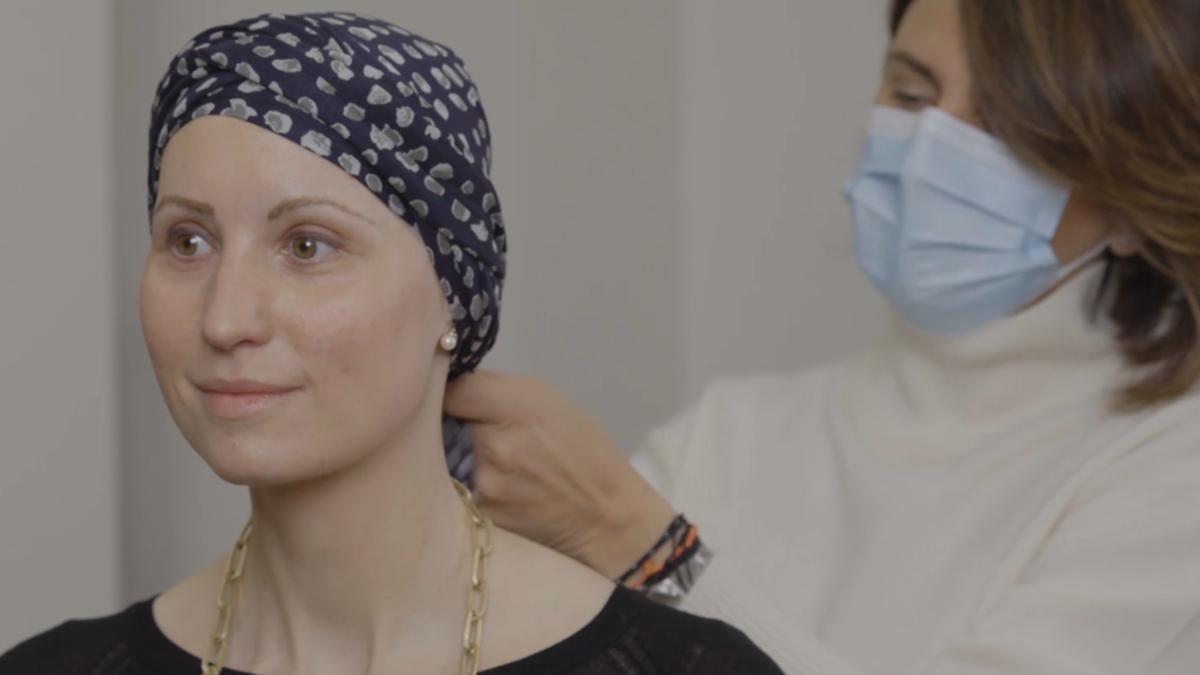


Why Words Matter When Talking About Cancer
The Problem with Battle Language
For years we have heard phrases like “fight cancer,” “win the battle,” or “lose the war.” These expressions sound natural, but they put a heavy burden on the person living with the disease. When cancer is framed as a fight, it suggests that the outcome depends only on a person’s attitude or strength. In reality, cancer is a complex medical condition that involves biology, treatment, and many factors outside anyone’s control.
How War Metaphors Affect Patients
Emotional Pressure
Seeing illness as a battle can increase fear, frustration, and feelings of failure if the disease does not respond as hoped. Patients may blame themselves for not being “strong enough,” even though the course of cancer is not determined by willpower alone.
Impact on Communication
When the language is combative, it can make honest conversations harder. Patients might hide worries or side effects because they feel they must stay “positive” or keep “fighting.” This blocks the support they truly need.
GEPAC’s “Careful with Words” Initiative
Goal of the Campaign
The Spanish Group of Cancer Patients (GEPAC) launched the campaign to encourage more empathetic and respectful ways of talking about cancer. Supported by BeOne Medicines, the project wants society to reflect on the words we use and choose alternatives that match the real experience of patients and families.
A Tech Tool for Social Media
GEPAC created a tool that scans posts on the social network X (formerly Twitter) for war‑related terms such as “battle,” “combat,” or “war.” When it finds these words, it suggests kinder replacements like “journey,” “process,” or “experience.” The tool helps users see how language shapes perception and offers instant, friendly alternatives.
Resources Provided
Alongside the tool, the campaign website offers:
- A glossary of alternative expressions
- Informative sheets and videos made by psycho‑oncology experts
- Guidance for health professionals, teachers, and the general public
Why Empathetic Language Works
Backed by Science
Research shows that replacing battle metaphors with words focused on care, support, and process reduces anxiety and improves emotional well‑being. Patients feel more understood and are more likely to share their needs with doctors and loved ones.
Real‑Life Benefits
When we talk about cancer as a part of life rather than a war to win, we:
- Lower the pressure to be constantly “brave”
- Encourage honest feelings, including sadness or fear
- Strengthen the bond between patients and their support network
- Promote a healthier mindset that focuses on living well, not just surviving
Getting Involved
For Teens and Young Adults
You can help by:
- Checking your own posts and comments for war‑like language
- Using the GEPAC tool or the glossary to find better words
- Sharing the campaign’s messages with friends, family, or school groups
- Encouraging teachers and coaches to adopt more supportive language when discussing health topics
For Everyone Else
Health professionals, journalists, and public figures can model respectful communication by choosing words that emphasize accompaniment, respect, and compassion. Small changes in everyday talk add up to a big shift in how cancer is perceived.
Conclusion
Words are not neutral. The way we speak about cancer shapes how patients feel, how they cope, and how they connect with others. By moving away from battle metaphors and embracing language that highlights care, support, and personal experience, we create a kinder environment for everyone affected by the disease. The “Careful with Words” campaign shows that a simple change in vocabulary can make a real difference in emotional well‑being.
For more information, visit the original article: Source
Images Credit: www.diariodeibiza.es