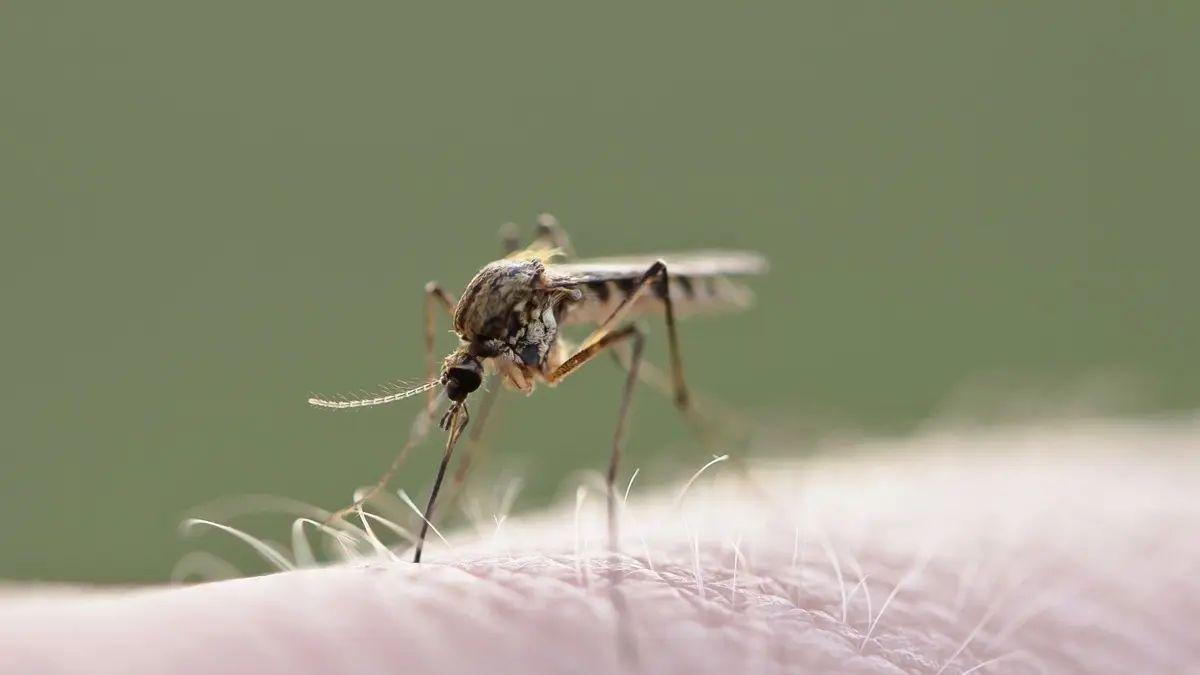


Summer and Insect Bites: What You Need to Know
When the temperature rises, mosquitoes, bees, and wasps become more active. Most bites are just annoying, but some can trigger a serious allergic reaction. Knowing the difference helps you act fast and stay safe.
Why Mosquitoes Are the Usual Suspects
Mosquito bites are the most common summer nuisance. They usually cause:
- Itching
- Redness
- A small, localized bump
These symptoms are uncomfortable but rarely indicate an allergy.
Bees and Wasps: The Bigger Threat
Bee and wasp stings inject venom, which can cause:
- Sharp, burning pain
- More noticeable swelling and redness
- A higher risk of a systemic allergic reaction in people who are sensitive to the venom
Spotting a Normal Reaction vs. an Allergy
Typical Local Symptoms
A normal reaction stays limited to the sting site:
- Redness
- Swelling
- Pain or itching
Even if the swelling looks big, it’s still considered local unless other body parts are involved.
Red Flags for a Systemic Reaction
Watch for signs that the reaction is spreading beyond the bite:
- Hives or rash appearing far from the sting
- Swelling of the lips, tongue, throat, or face
- Trouble breathing, wheezing, or a feeling of tightness in the chest
- Persistent cough or hoarseness
- Nausea, vomiting, or diarrhea
- Dizziness, light‑headedness, or fainting
- Rapid heartbeat
Any of these may indicate anaphylaxis, a life‑threatening allergy that needs emergency care.
When to Rush to the ER
Signs That Demand Immediate Care
Go to the emergency room right away if you notice:
- Any of the systemic symptoms listed above
- Stings inside the mouth, on the tongue, or near the throat (even if the reaction looks mild)
- Multiple stings at once
- Severe local swelling that keeps getting worse, feels hot, or shows pus (possible infection)
- Wash the area with soap and water.
- Apply a cold pack or ice wrapped in a thin cloth for 10‑15 minutes to reduce swelling.
- If itching is intense, take an oral antihistamine (like cetirizine or loratadine) following the dosage instructions.
- Avoid scratching; it can break the skin and invite infection.
- Don’t squeeze the sting to try to “push out” venom – it can actually inject more.
- Don’t scratch the area; it worsens itching and can lead to infection.
- For bee stings, remove the stinger quickly by scraping it off with a credit card edge or a clean fingernail – never use tweezers or pinch it.
Special Cases
If you already know you’re allergic to bee or wasp venom, always carry an epinephrine auto‑injector and use it at the first sign of a reaction, then head to the ER.
Big Swelling Doesn’t Always Mean Allergy
A large, painful local reaction can be alarming, but it doesn’t automatically mean you have an allergy. Treat it with cold compresses and antihistamines, and monitor for any spreading symptoms.
Home Care Tips for Mild Bites
Clean, Cool, and Antihistamine
Why Wasp Stings Hurt So Much
Wasp venom contains chemicals that irritate nerves and cause inflammation. The amount of venom, the sting location, and your personal sensitivity all affect how painful it feels.
Grandma’s Remedies: Fact or Fiction?
You might hear suggestions like rubbing mud, vinegar, or a coin on the sting. None of these have scientific proof to back them up. The only proven home measure is cold applied correctly (never ice directly on the skin).
What NOT to Do After a Bite
When to See an Allergist
If you’ve had a severe reaction or suspect you’re allergic to insect venom, schedule a visit with an allergist. They can run tests and may recommend venom immunotherapy, a treatment that greatly reduces the chance of future serious reactions.
Conclusion
Most summer insect bites are harmless and can be managed at home with simple cleaning, cold, and an antihistamine. However, knowing the warning signs of a systemic allergy — like widespread hives, breathing trouble, or swelling of the face — lets you act quickly and seek emergency care when needed. Keep an eye on any unusual symptoms, avoid ineffective home tricks, and talk to an allergist if you think you might be venom‑allergic. Stay informed, stay prepared, and enjoy the bite‑free parts of summer!
Reference: Source
Images Credit: www.diariodeibiza.es