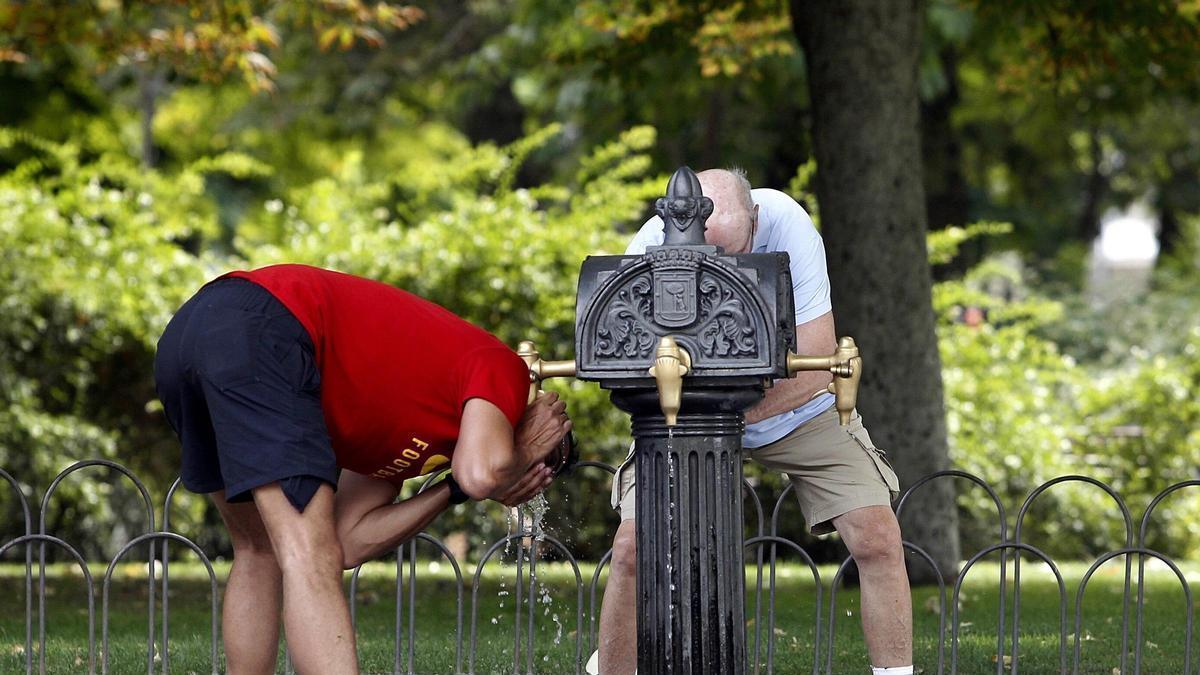


Why Heat Waves Are Dangerous for Your Heart
When the temperature spikes, your body works harder to stay cool. That extra effort puts a strain on your heart, especially if you already have any heart‑related issues.
What Happens When It Gets Really Hot?
High heat makes your blood vessels widen (vasodilation) and you lose fluids through sweat. To keep your blood pressure steady, your heart has to pump faster and stronger. In people with weakened hearts, this can trigger a heart attack, heart failure, or an irregular heartbeat.
Who’s Most at Risk?
Older adults, anyone with high blood pressure, heart failure, or a history of coronary artery disease are the most vulnerable. Even teens who have underlying heart conditions should take extra precautions during a heat wave.
Heat + Haze = Double Trouble
On many hot days, a layer of haze hangs in the air. Tiny pollution particles can slip into your lungs and then enter your bloodstream, causing inflammation that worsens existing heart problems.
Simple Ways to Stay Safe
Drink Water Even If You’re Not Thirsty
Your sense of thirst gets weaker with age, but staying hydrated helps your heart cope with the heat. Aim for at least 1.5 L of water a day, sipping regularly instead of waiting until you feel thirsty.
Chill Out Indoors
Spend the hottest part of the day (roughly noon to 8 p.m.) in air‑conditioned or well‑ventilated rooms. Keep indoor temperatures around 24‑26 °C if you can.
Watch Out for Exercise Timing
If you want to play sports or go for a run, do it early in the morning or later in the evening when it’s cooler. Avoid intense outdoor activity during peak heat.
Bottom Line: Take Care of Your Heart When the Heat Hits
Extreme heat isn’t just uncomfortable—it can be a real threat to your cardiovascular health. By drinking water, staying cool, and timing outdoor activities wisely, you can protect your heart and enjoy the summer safely.
Images Credit: www.diariodeibiza.es