

Who Was Deseado Mercadal?
A Multifaceted Menorcan Figure
Deseado Mercadal Bagur (1911‑2000) is best known in Menorca for his music and his connection to UD Mahón. Yet there is another, less‑talked‑about side of his life that shaped him deeply: his work as a journalist during the Spanish Civil War, his imprisonment in an Algerian concentration camp, and the long exile that followed.
From Music to the Front‑Line Press
Joining Justicia Social
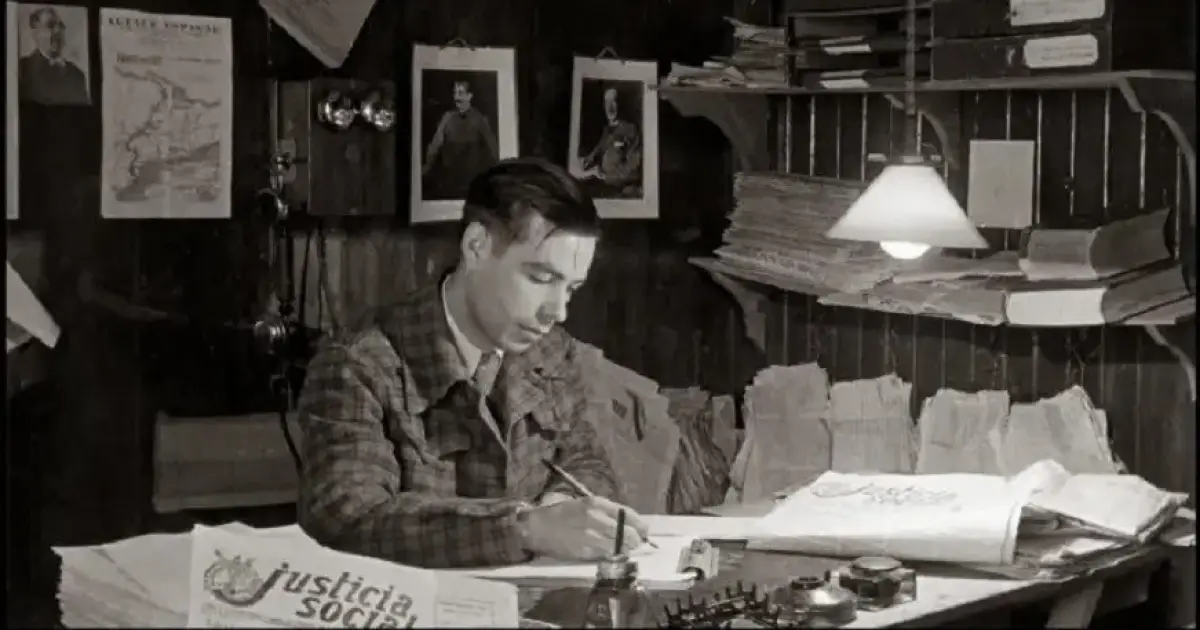
When the civil war broke out in 1936, Mercadal traded his instrument for a notebook. He became a reporter for Justicia Social, the newspaper of the Socialist Party, and also served as a leader of the UGT union. His articles gave voice to the struggles of workers and civilians caught in the conflict.
Why His Reporting Matters
Historians consider Mercadal’s wartime dispatches valuable primary sources. They capture everyday realities, political debates, and the hopes of those fighting for the Republic. His perspective adds a human layer to the broader narrative of the war.
Capture, Camp, and Survival
Internment in Algeria
After the Republic fell, Mercadal fled to North Africa. He was seized by French authorities and sent to the Kenadza concentration camp in Algeria, where tens of thousands of Spaniards were held. Conditions were harsh: scarce food, disease, and forced labor.
Memories in “I Was in Kenadza”
Mercadal later wrote a memoir titled I Was in Kenadza, describing life inside the barbed‑wire fences. His testimony is one of the few detailed accounts of the North African camps, making it a key resource for researchers studying this overlooked chapter of exile.
Exile and Return
A Long Wait
Mercadal’s exile lasted nearly three decades. He lived in France, worked odd jobs, and never stopped writing. Only in 1965 did he finally return to Menorca, bringing with him stories of resilience and loss.
Why the Exile Was “Fortunate”
Although the period was painful, Mercadal survived when many did not. His survival allowed him to preserve memories that later generations could learn from. Journalist Tomás Andújar notes that the length of the exile, while difficult, gave Mercadal time to reflect and record his experiences.
The New Book: “On s’acaba l’aigua”
What the Title Means
The phrase “On s’acaba l’aigua” translates to “Where the water ends.” It symbolizes the point at which resources—and hope—run dry, mirroring the hardships Mercadal faced in the camps and during exile.
Why Tomás Andújar Wrote It
Tomás Andújar, a journalist and the current Efe Agency delegate in the Balearic Islands, discovered Mercadal’s lesser‑known story while researching. He felt compelled to shed light on this part of Mercadal’s life, which he calls “the most important of his life.” The book is Andújar’s first work as a writer.
What Readers Will Find
- Mercadal’s wartime journalism excerpts
- Passages from his memoir I Was in Kenadza
- Analysis of how his experiences shaped his later music and activism
- Photos, documents, and testimonies from fellow exiles
Why This Story Matters for Teens
Learning History Through Personal Eyes
Reading about Mercadal’s journey helps young people understand big historical events—the Spanish Civil War, wartime exile, and refugee camps—through one person’s eyes. It shows how ordinary individuals can become witnesses, recorders, and survivors.
The Power of Memory
Mercadal’s decision to write about his suffering reminds us that remembering the past is not just about facts; it’s about honoring those who lived it. His memoirs give a voice to the thousands who suffered in silence.
Inspiration for Resilience
Despite losing freedom, Mercadal kept creating—whether through journalism, music, or writing. His story can motivate teens to stay curious, express themselves, and stand up for what they believe in, even when times are tough.
Conclusion
Deseado Mercadal’s life was a tapestry of music, sport, journalism, war, imprisonment, and exile. Thanks to Tomás Andújar’s new book, On s’acaba l’aigua, a crucial piece of that tapestry—the journalist’s struggle during the Civil War and his survival in Algerian camps—is now accessible to a wider audience. By exploring this story, readers gain a deeper appreciation of how personal courage can illuminate history and inspire future generations.
Images Credit: www.menorca.info