

Understanding Fibrous Breasts
What Are Fibrous Breasts?
Fibrous breasts have more glandular tissue than fat. This is just how the body is built and isn’t passed down through genes. Think of it as a natural variation, like having curly or straight hair.
Does Exercise Change Them?
Working out builds the chest muscles (pectorals) that sit underneath the breast, but it doesn’t change the glandular part itself. If you lose weight, the fat inside the breast can shrink, which might make the breast look smaller.
Mammograms and Fibrous Tissue
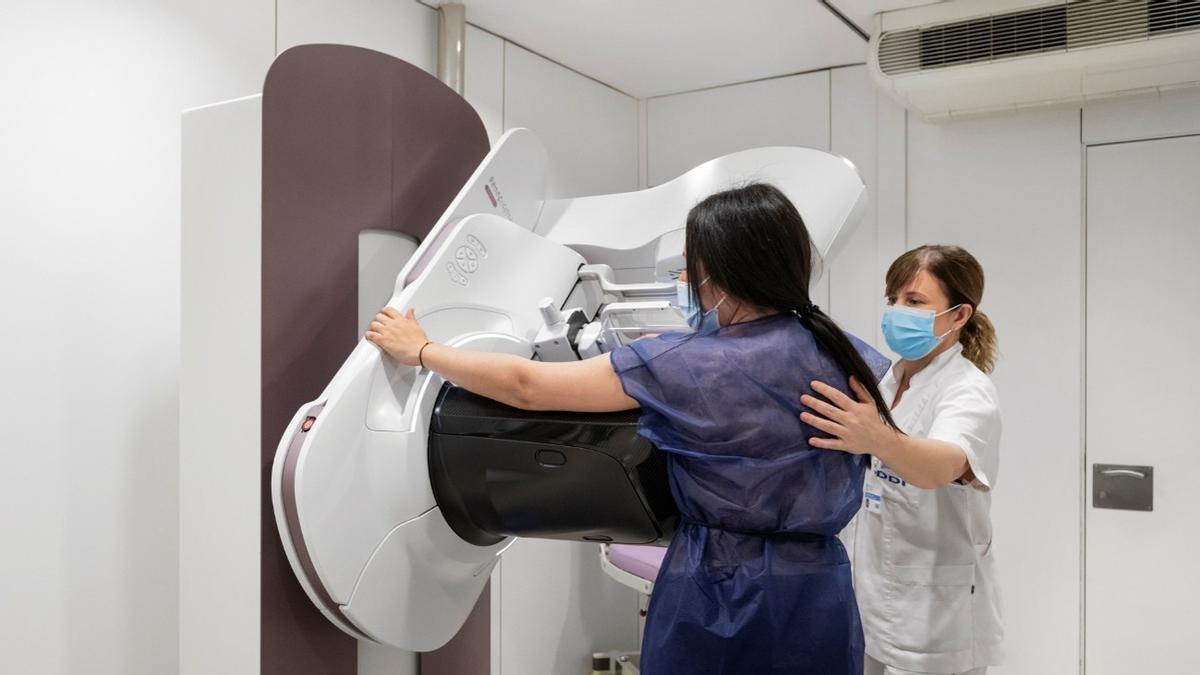
On a mammogram, the dense glandular shows up as white areas. Because it’s thick, it can hide small lumps or nodules, making them harder to spot. Doctors may add an ultrasound to see the different tissues more clearly.
Pain and Discomfort
Fibrous breasts can feel sore or tender, especially around the time of your period. Hormones make the glandular tissue swell a bit, which leads to that uncomfortable feeling.
Cancer Risk – What You’re Not Higher
Having more glandular tissue does **not** raise your chance of getting breast cancer. Real risk factors include:
- Starting periods very early
- Going through menopause late
- Smoking or heavy alcohol use
- Never having breastfed
- Being overweight
- Using hormone replacement therapy for a long time
If a mammogram looks unclear, an ultrasound helps doctors tell whether a spot is fluid‑filled (a cyst) or solid, and whether it looks benign or suspicious.
Other Breast Terms Made Simple
Nodule
A nodule is any lump or mass in the breast. By itself it doesn’t say if it’s harmless or dangerous; doctors look at its shape, feel, and imaging to decide.
Cyst
When a nodule holds liquid, it’s called a cyst. Most cysts are benign and may come and go with the menstrual cycle.
Tumor
A tumor is an abnormal growth of cells. It can be benign (not cancer) or malignant (cancer).
Cancer
If a tumor is malignant, it’s cancer. In the breast, most cancers start in the cells lining the milk ducts or lobules.
Calcification
These are tiny calcium deposits that show up as white specks on a mammogram. Many are harmless, but clusters or certain patterns may need a closer look.
Why Self‑Check Matters
Getting to know how your breasts normally feel helps you notice changes early. Starting around age 40, or sooner if you have a family history, a monthly self‑exam is a good habit:
- Look in the mirror with arms at your sides, then raised.
- Feel each breast with the opposite hand, using a circular motion.
- Check for new lumps, thickening, skin changes, or nipple discharge.
- If anything feels different, talk to a healthcare provider.
Conclusion
Fibrous breasts are simply a normal variation with more glandular tissue. They can make mammograms a bit harder to read and may cause periodic tenderness, but they do not increase breast‑cancer risk. Knowing the basic terms—nodule, cyst, tumor, calcification—and doing regular self‑checks empowers you to stay on top of your breast health. If you ever feel unsure, a doctor can use mammograms, ultrasounds, or other tools to give a clear picture.
Images Credit: www.diariodeibiza.es